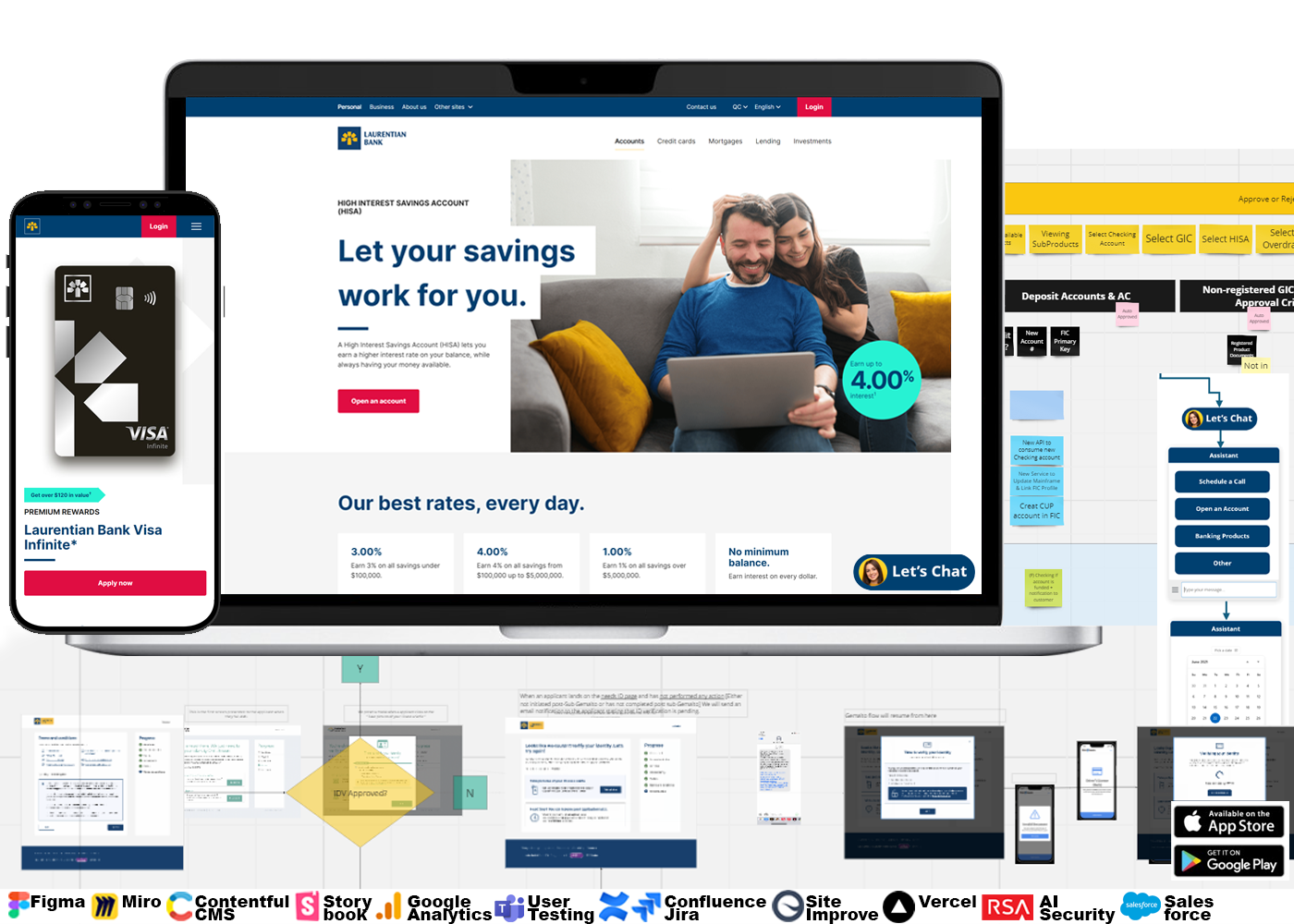
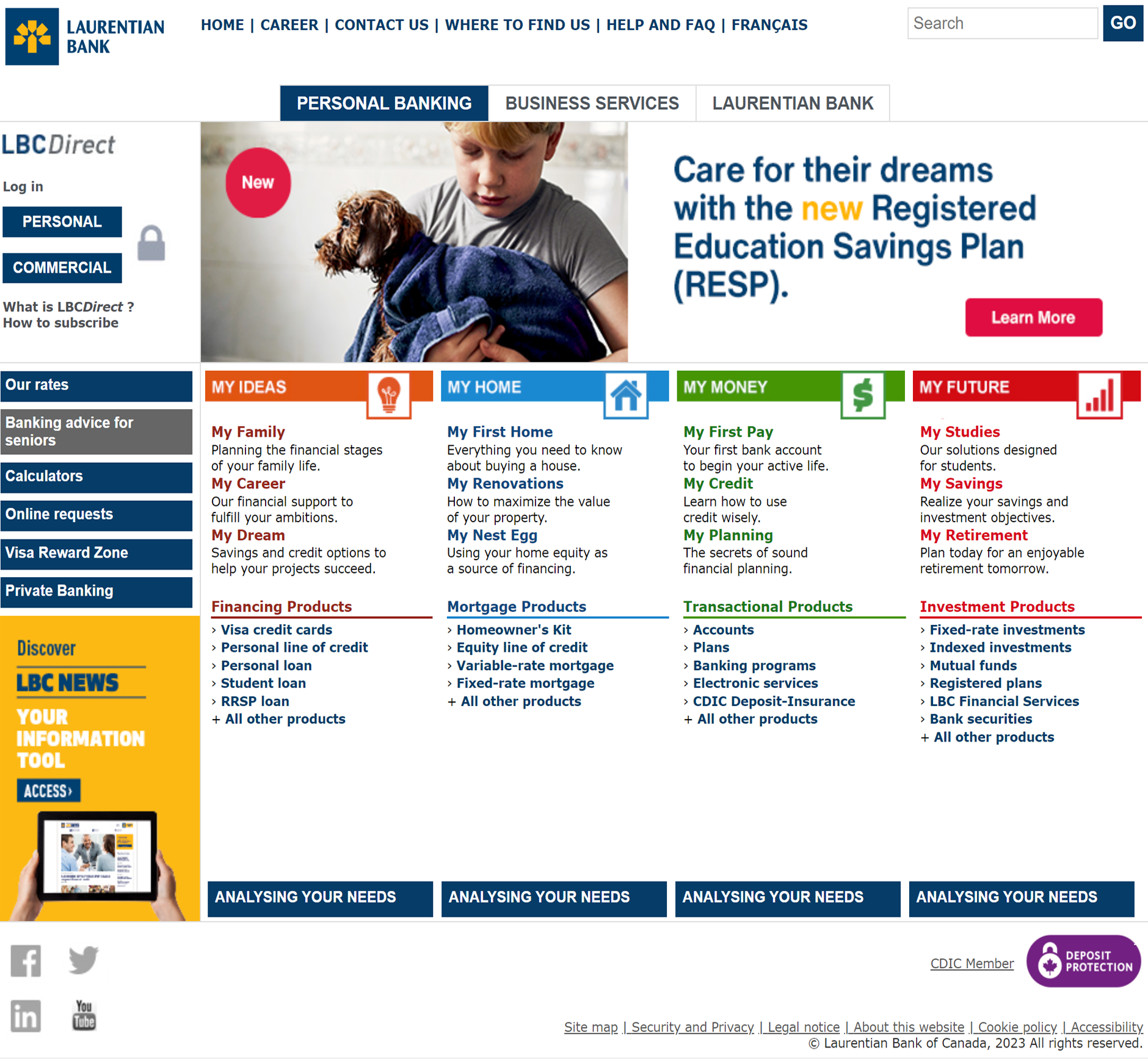
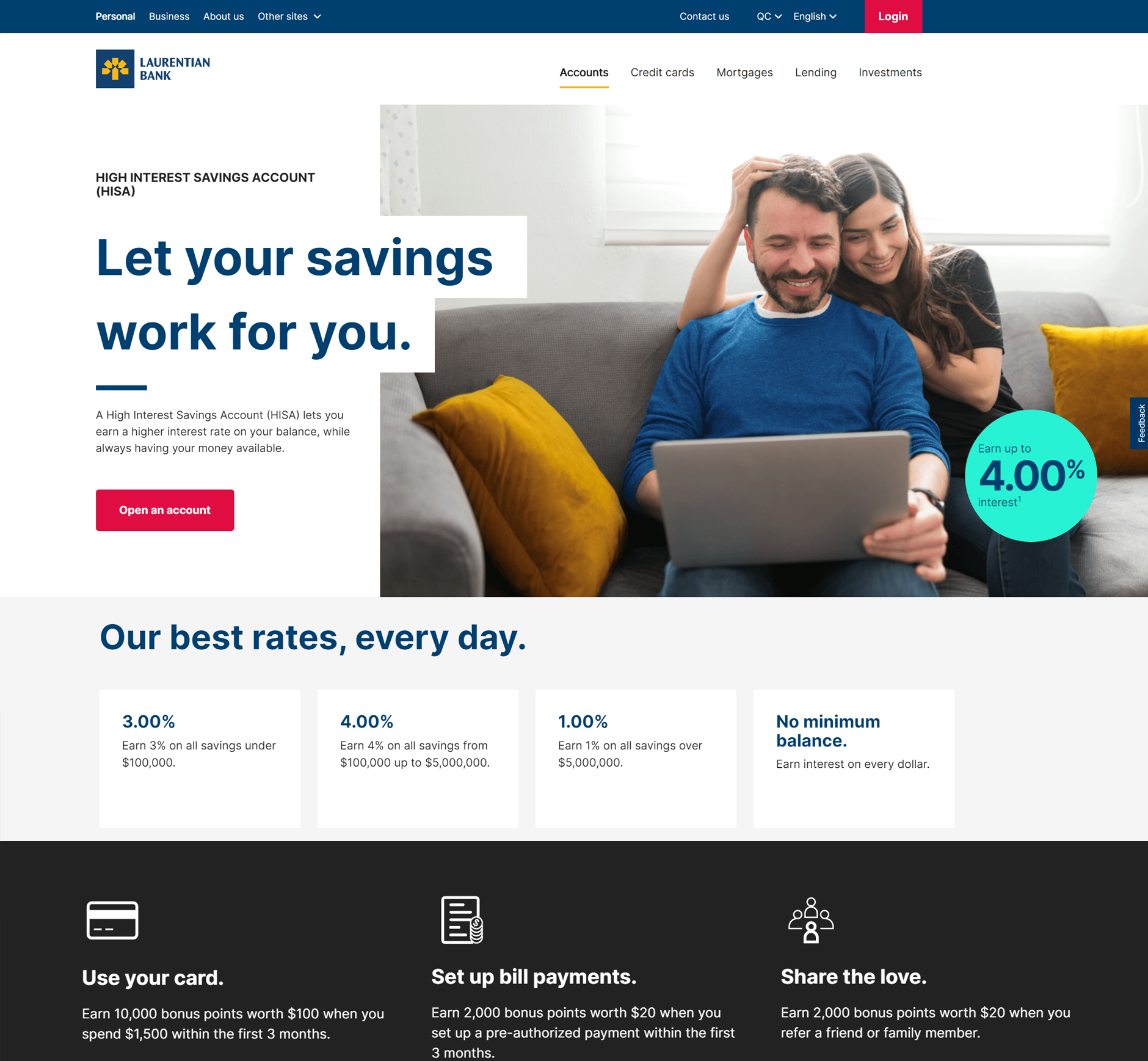
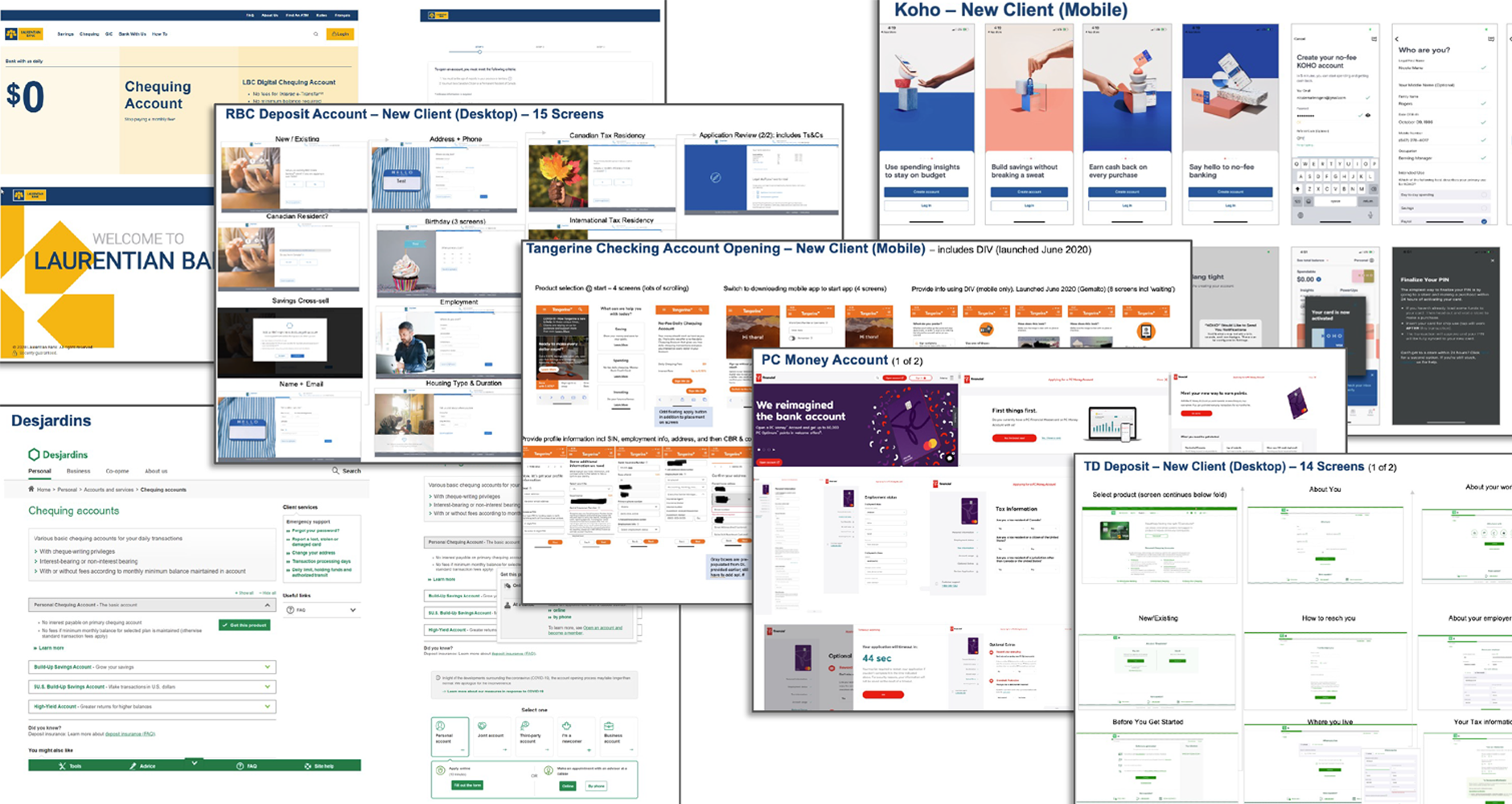
Design: Wireframe Prototypes, UX/UI User Psychology and Interaction Rules
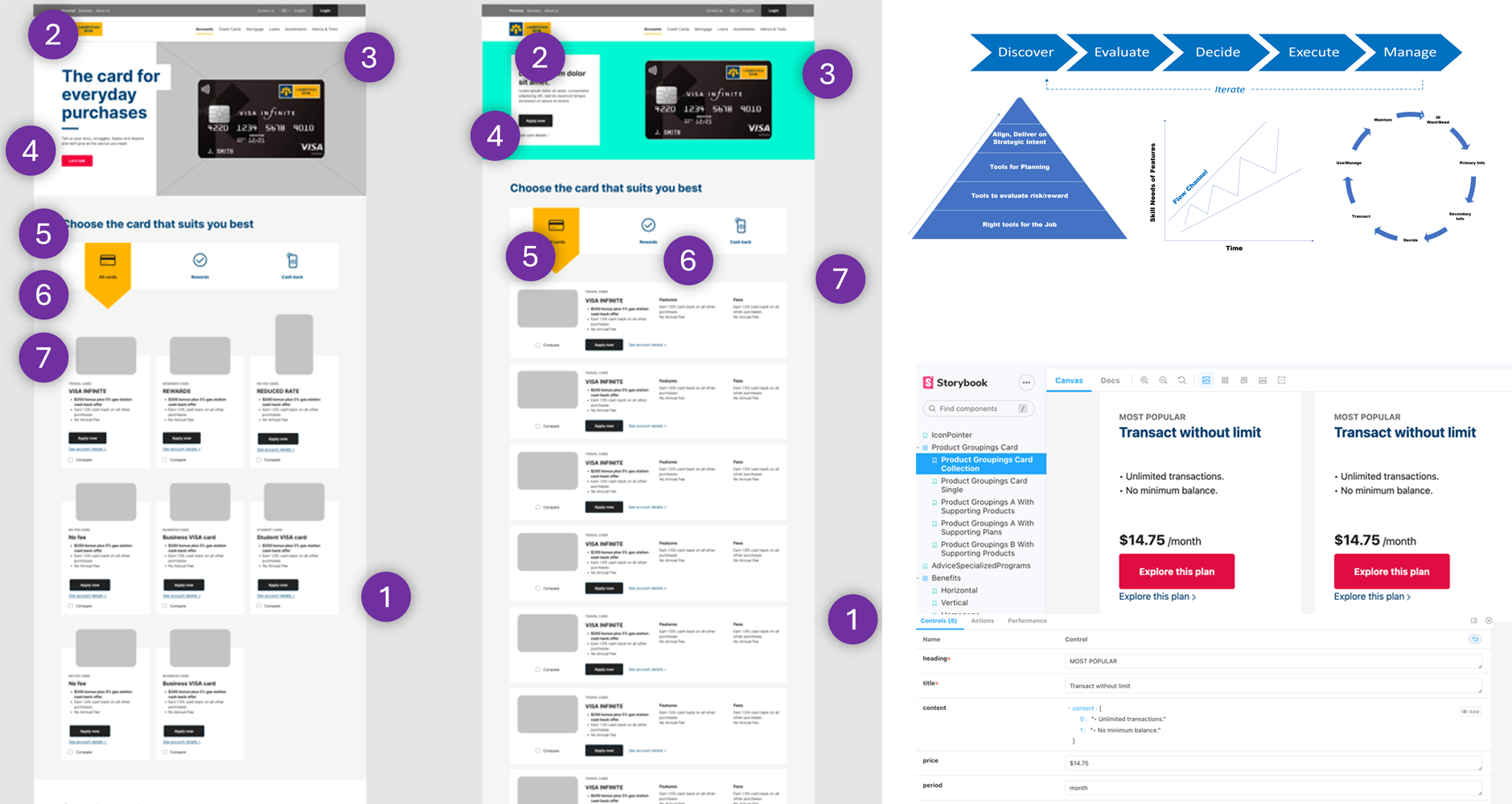
Wireframe prototypes integrate UX/UI user psychology and interaction rules to create intuitive and user-friendly designs that effectively cater to user expectations and behaviors, ultimately enhancing the overall user experience; while
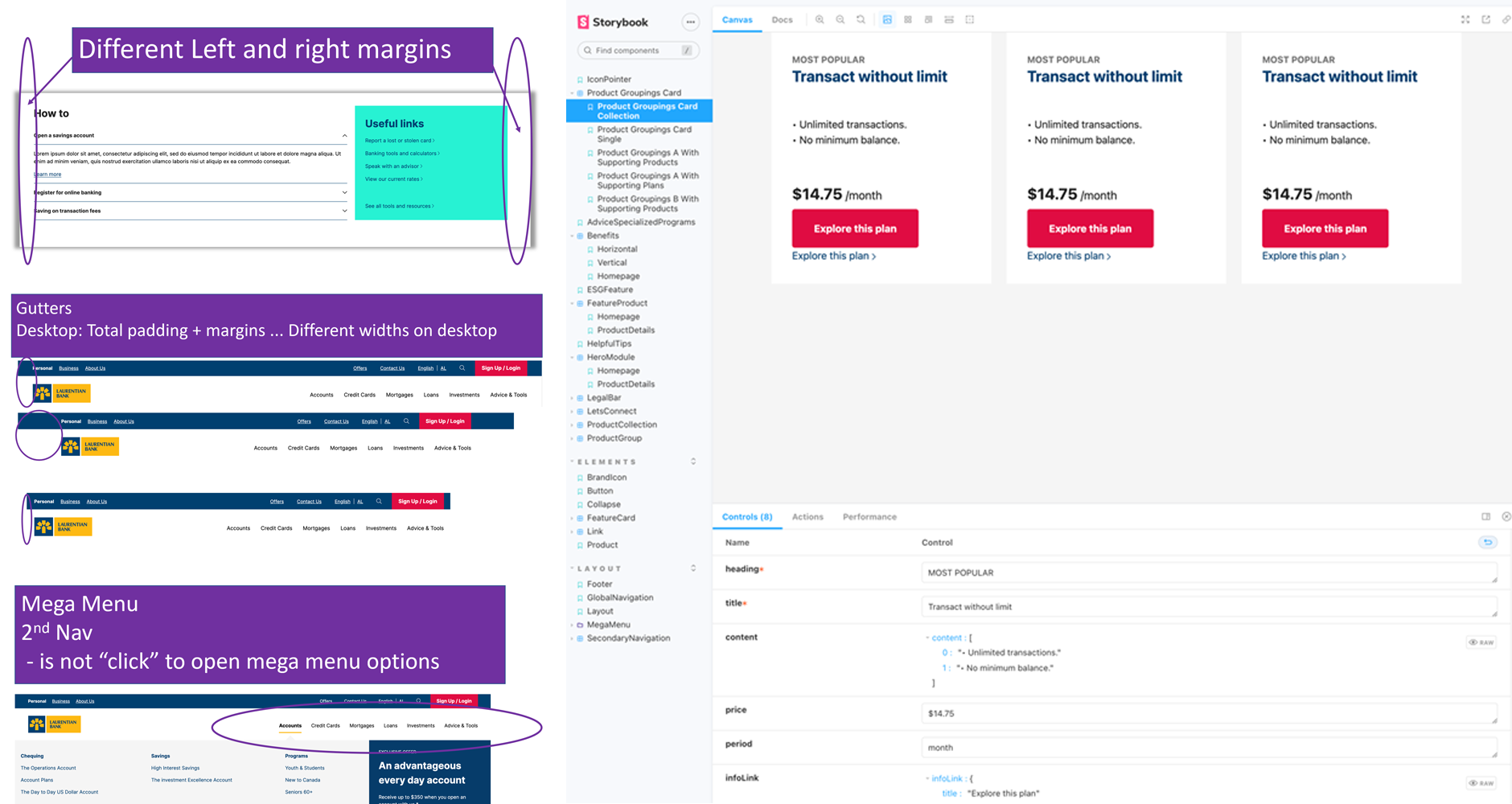
- Enterprise users are different from marketing or social media posts, so they need to have their layout and information specifically catered to how users think and go through tasks, which are capture both visually as Annotated Wireframes and with Interaction Rules in tools like Confluence and Storybook.
- An understanding User Psychology such as Fitt's Law, Miller's Law, and Csíkszentmihályi Flow State, are essential for success to have the right level of cognitive load and information density, as different products and their features need to be organized in different ways, as different producst are thought about in different ways by customers.
- Rather than generic page layouts, wireframes are created to optimized
-
Sample Sitemap, Screen Flows, Content Architecture Mapping for Enterprise Scaling
Design: Sitemap, Screen Flows, Content Architecture for Enterprise Scaling
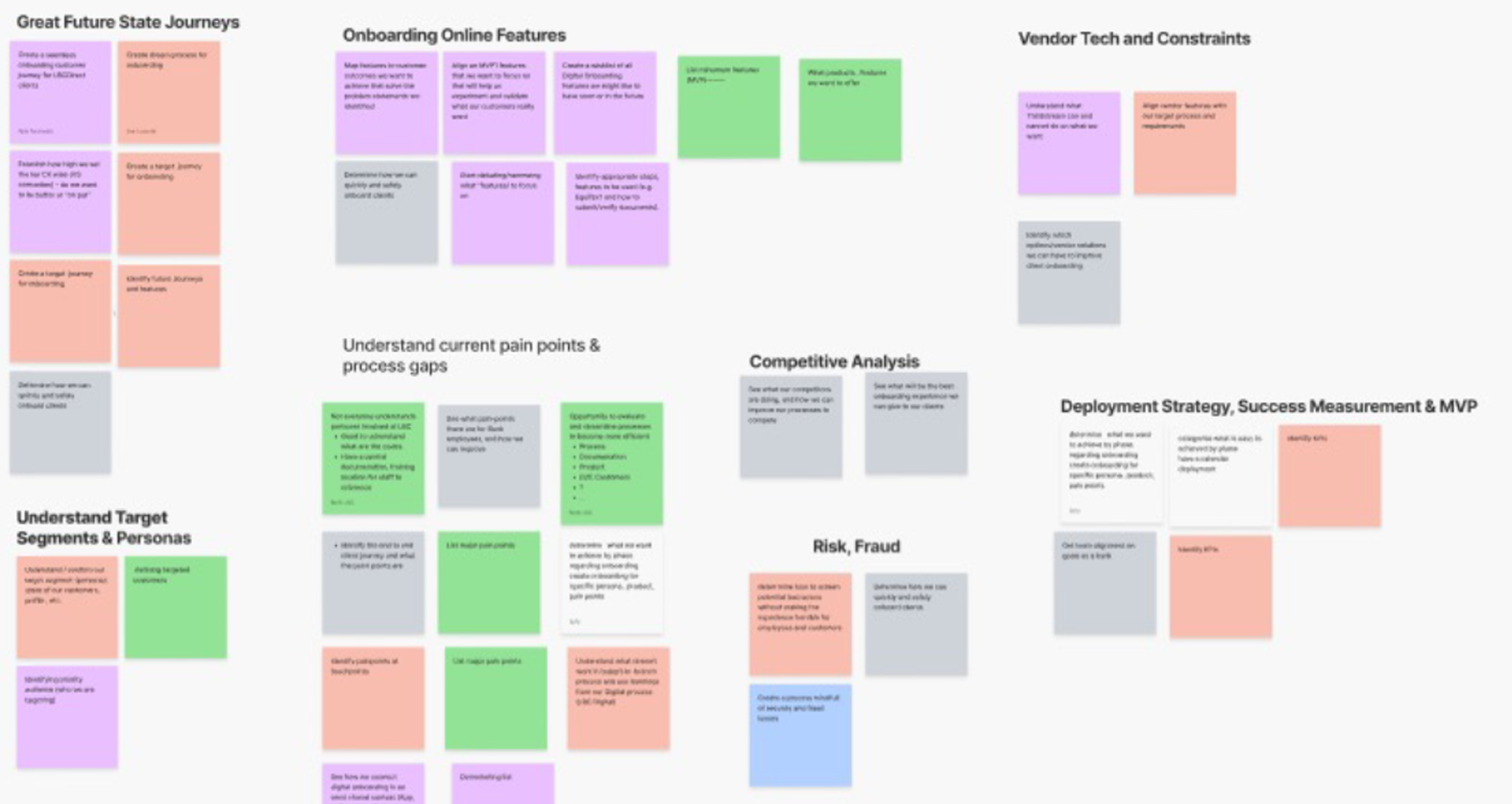
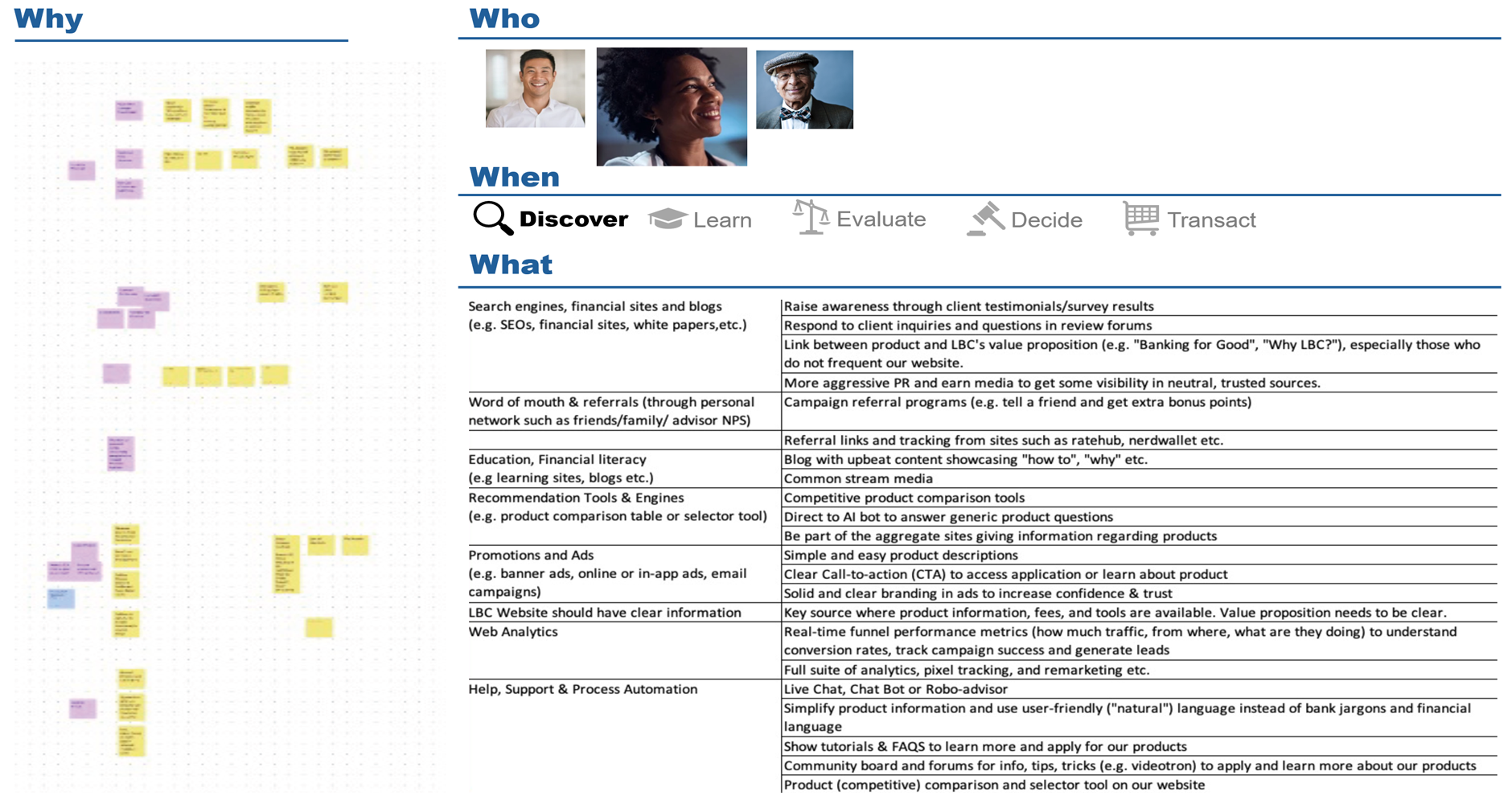
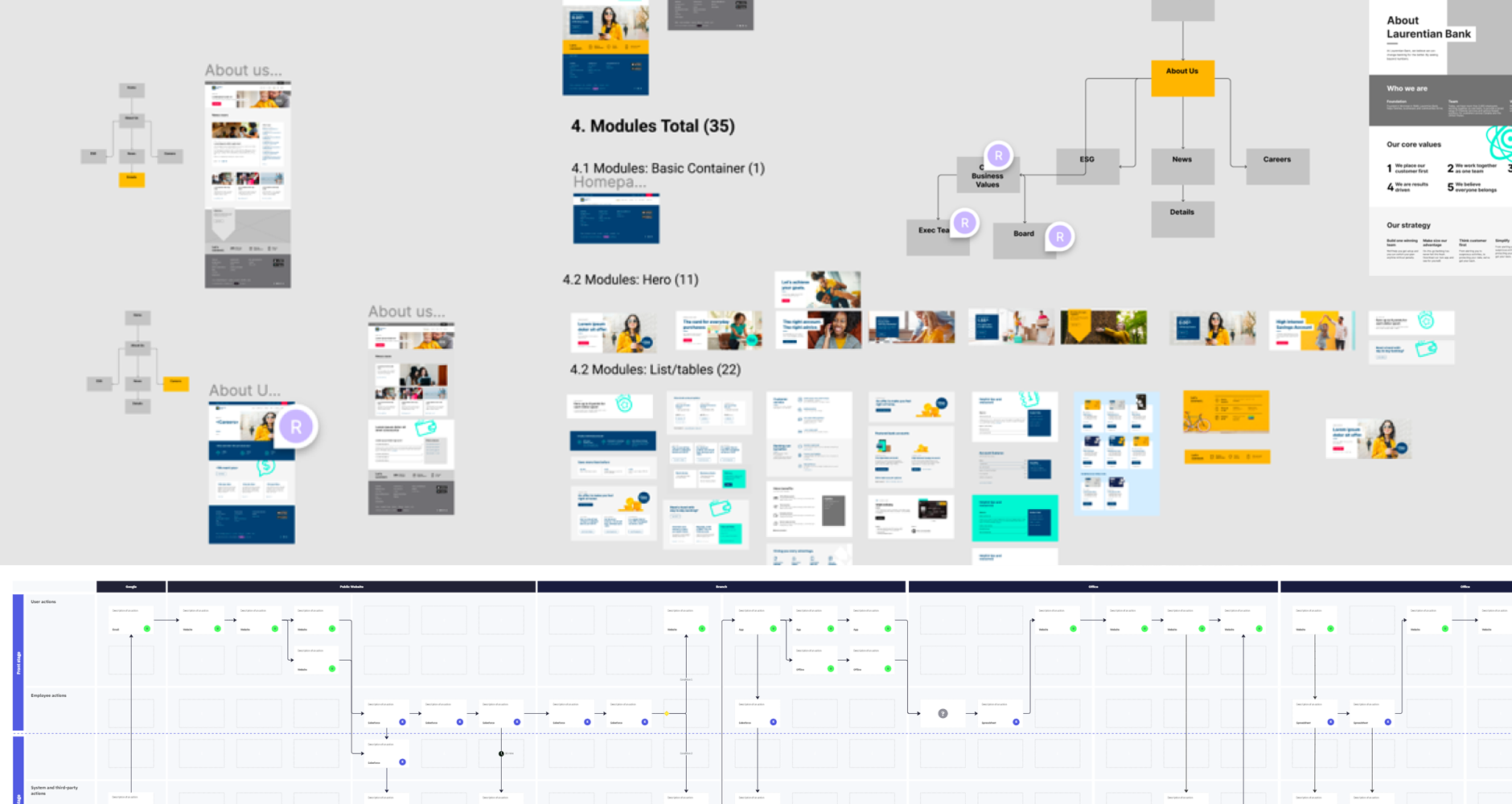
Especially in Enterprise systems, it's important to understand the complete picture; along with Wireframes, Sitemaps and Screen Flows need to be aligned with technical workflow constraints using Content Architecture mapping, to establish a strong and scalable structural foundation, ensuring logical navigation, coherent user journeys, and organized content presentation for an optimal user experience.
- To visualize and help understand how to build solutions, Sitemaps and optimized Screen Flows were created to cater to each unique customer needs through to a Call To Action (CTA), covering 10+ products and business units.
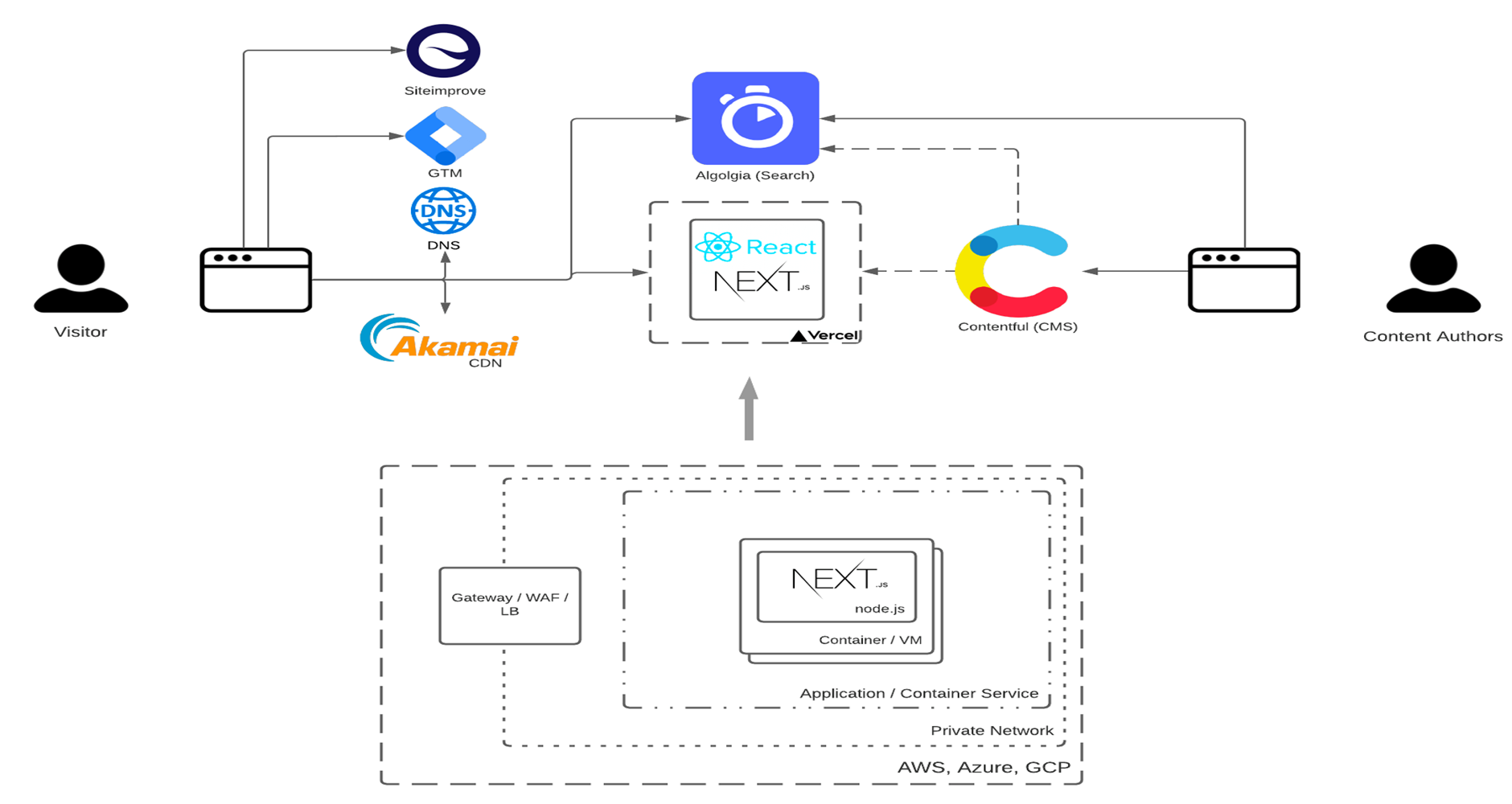
- Aligning with the scalable Design System, these were mapped with a Content Architecture for the new CMS Content Management System, to be able to gain scale benefits from Design Pattern reuse, and ease and quickness for future iterative updates.
-
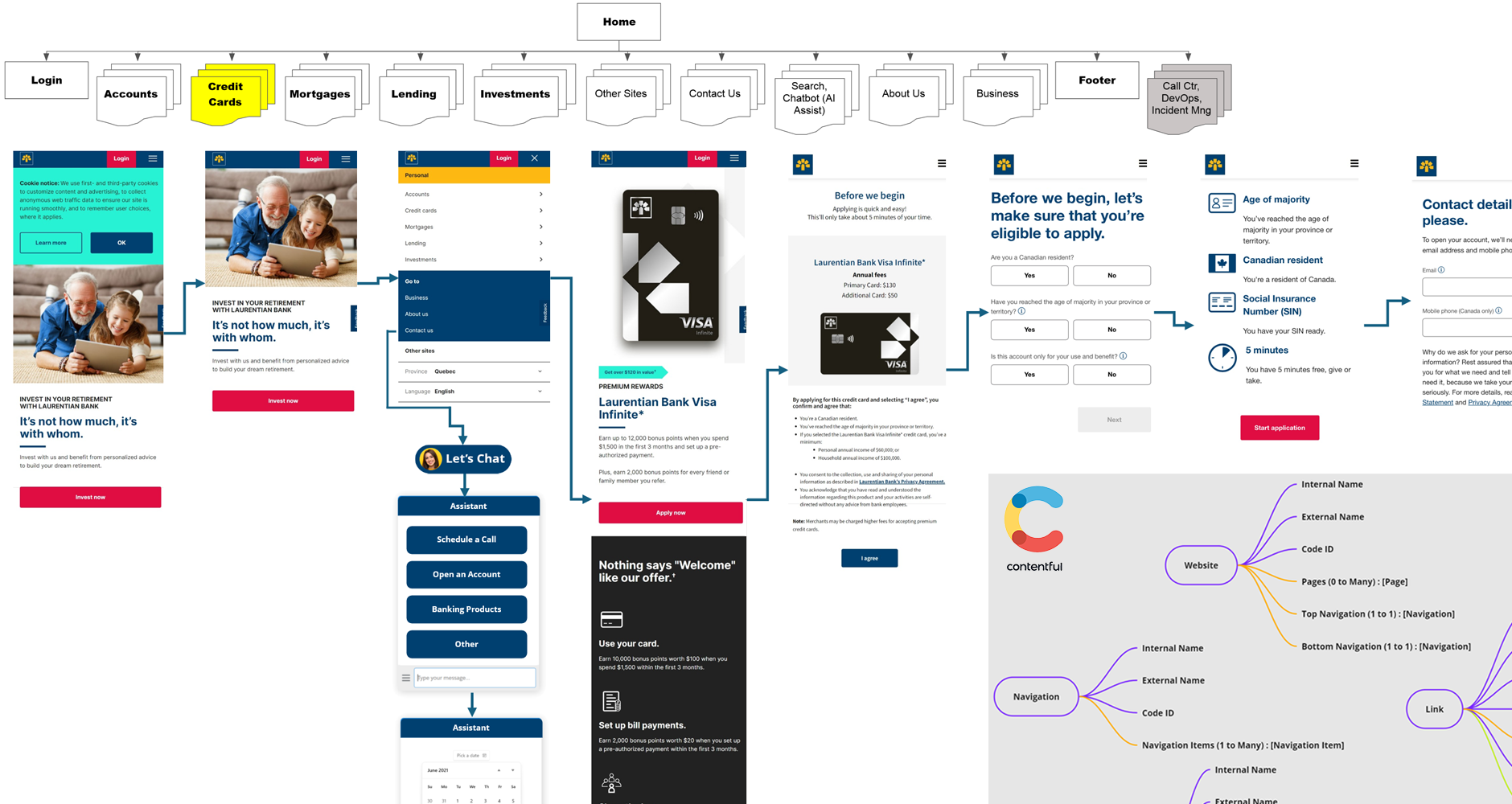
Sample Sitemap, Screen Flows, Content Architecture Modelling for Enterprise Scaling
Design: Enterprise Design System
Enterprise design systems offer standardized design components, guidelines, and principles that promote consistency, efficiency, and scalability across products, streamlining development processes and enhancing brand coherence for a cohesive user experience.
- To be effective, it follows the micro to macro Atomic design principles, of (1) Element (2) Component (3) Module (4) Page/Screen
- As I build this, the first Design System for the Bank, it was scaled to be used by many departments such as Online Banking, Digital Marketing, Mobile Apps, Digital ID, Onborading, Call Centre Operations, and other 3rd Party Vendor applications.
- As a measurable KPI benefit, the Design System was instrumental to reduced new product launches in 3 months vs. 9 months.
-
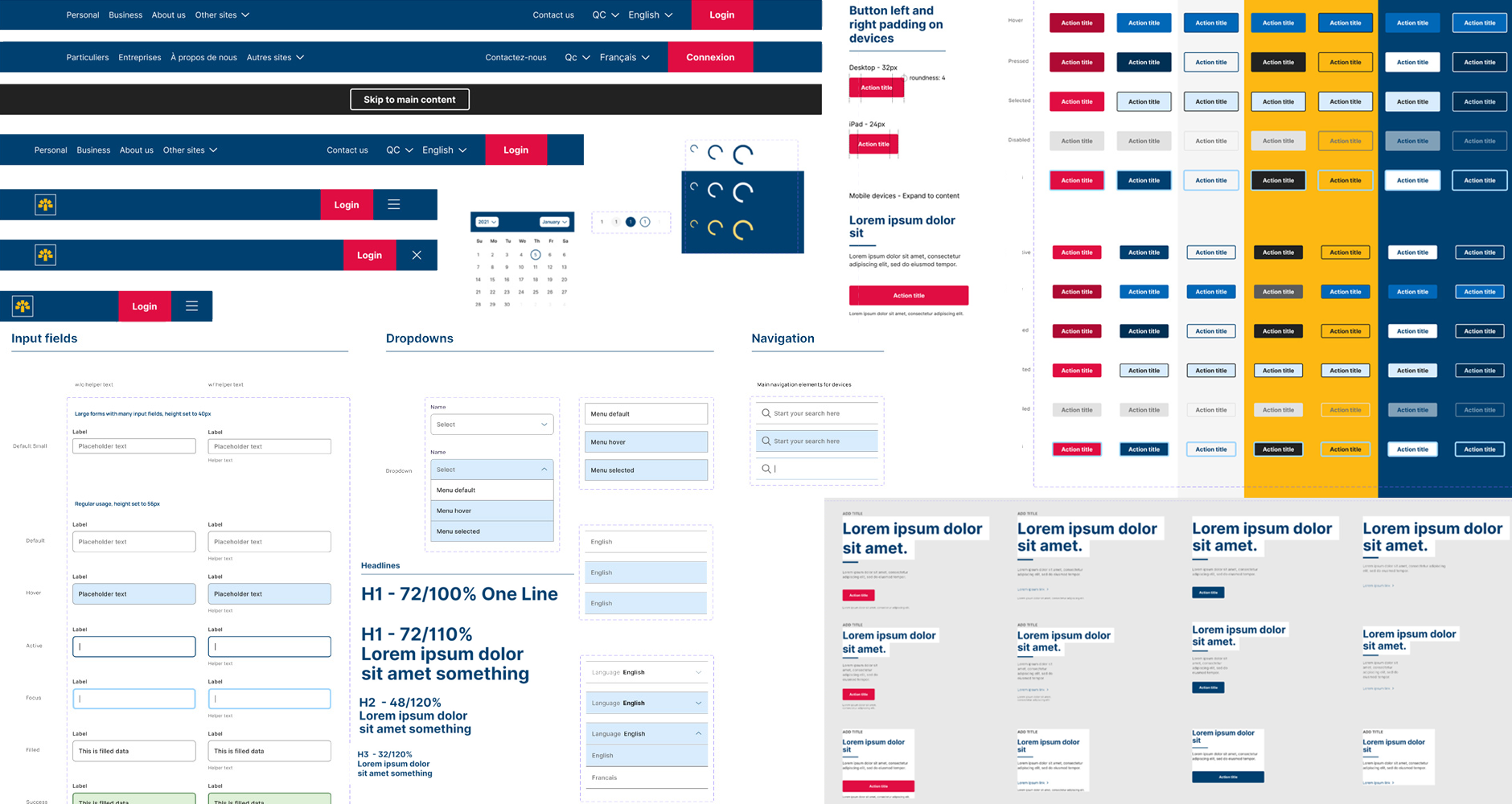
Responsive 4 Breakpoint Design System with Navs, Buttons, Text, Form Controls, Modules, and more.
Design: Service Design - Call Centre, Incident Management, with AI
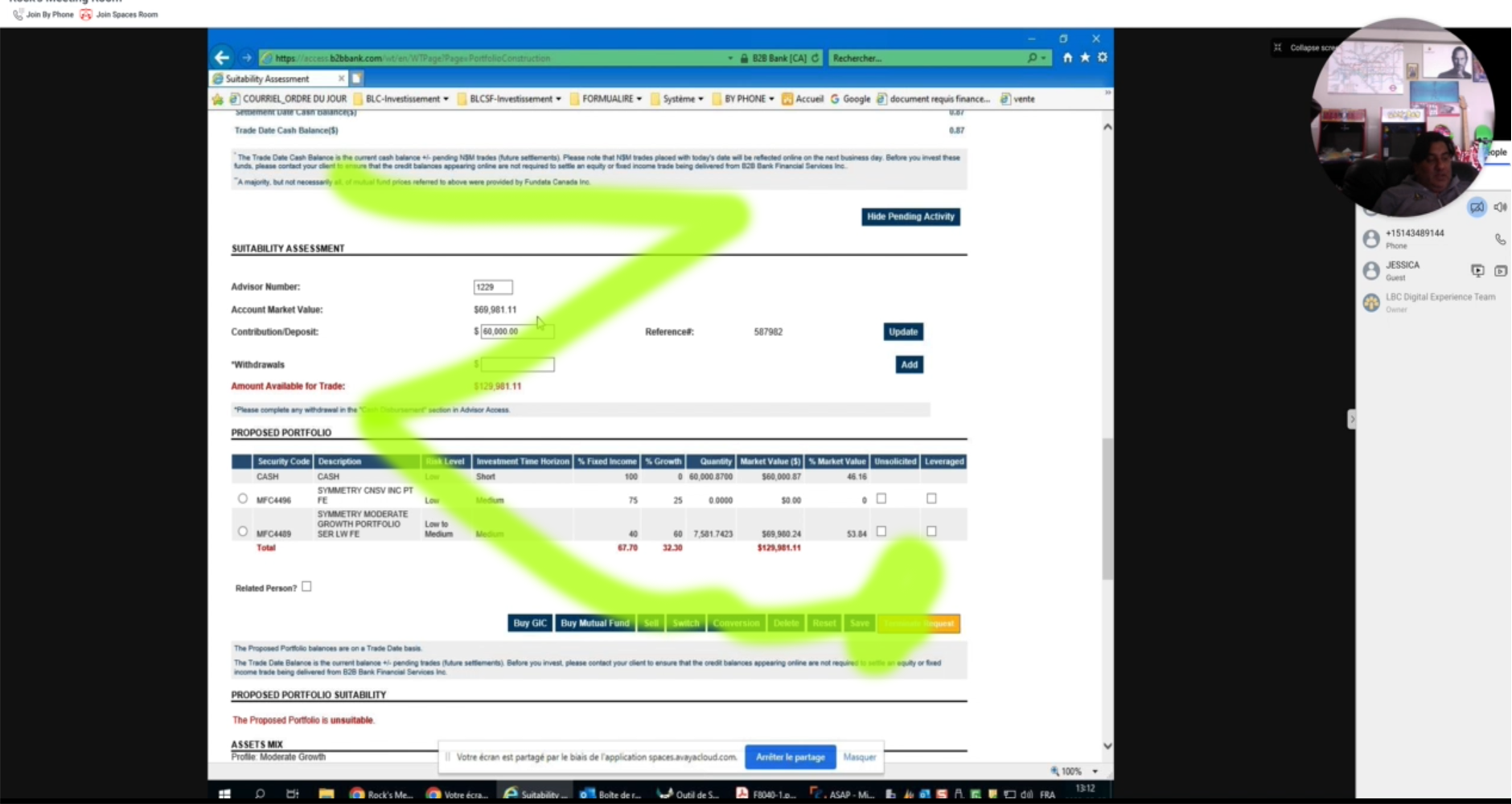
Part of the stakeholder Service Design Blueprint needed to include how to manage customer Call Centre Support, as well as incident management IT Support.
- Part of the goals were to remove duplicate Call Centre Content Management Systems, so the new site and infrastructure can be scaled for multiple uses.
- This was accomplished by updating internal support application UX, along with User Prompt Engineering modelling, so that specific content and user tracking can be make it faster to answer questions and make the issue resolution process less cumbersome.
-
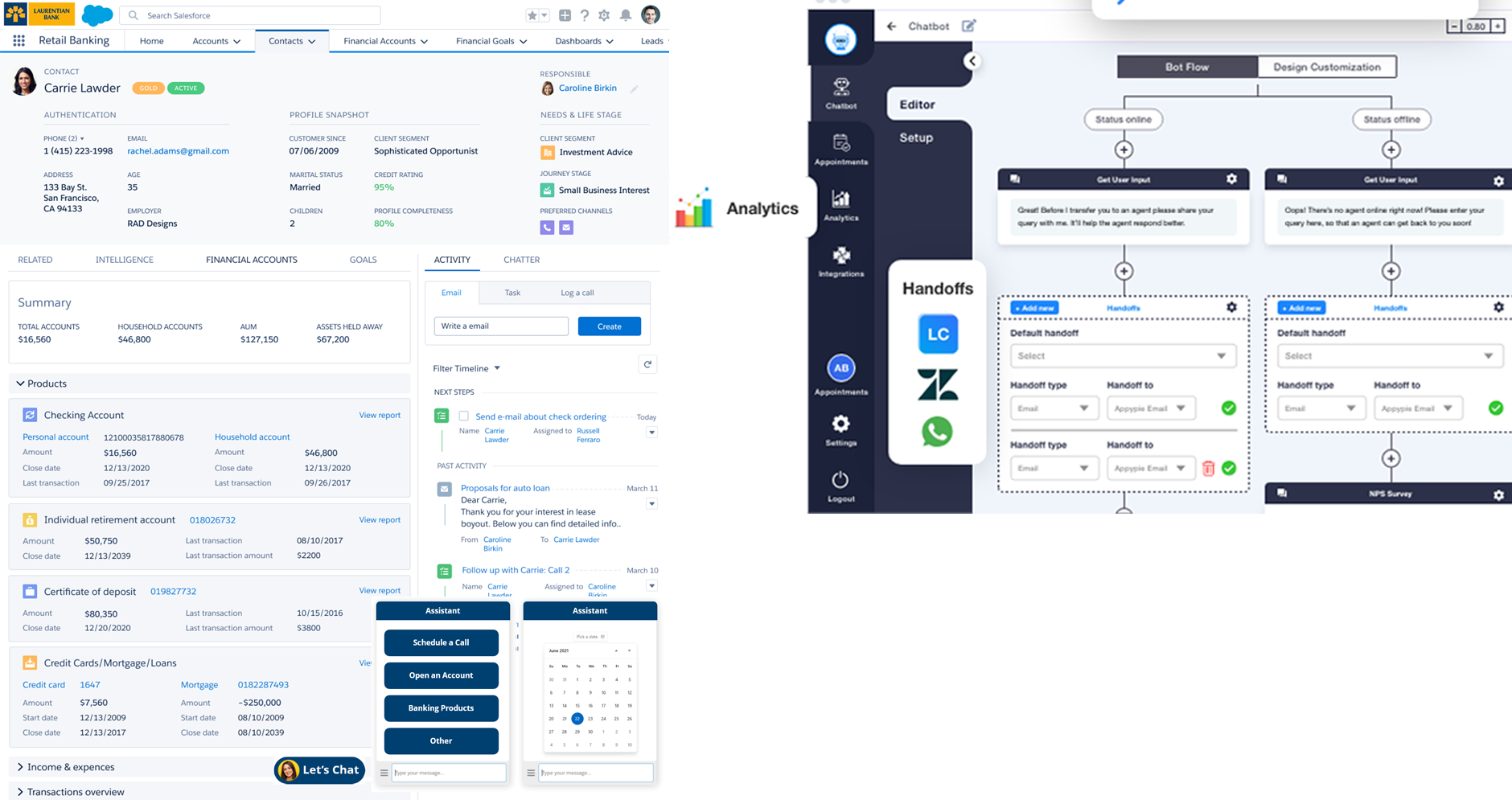
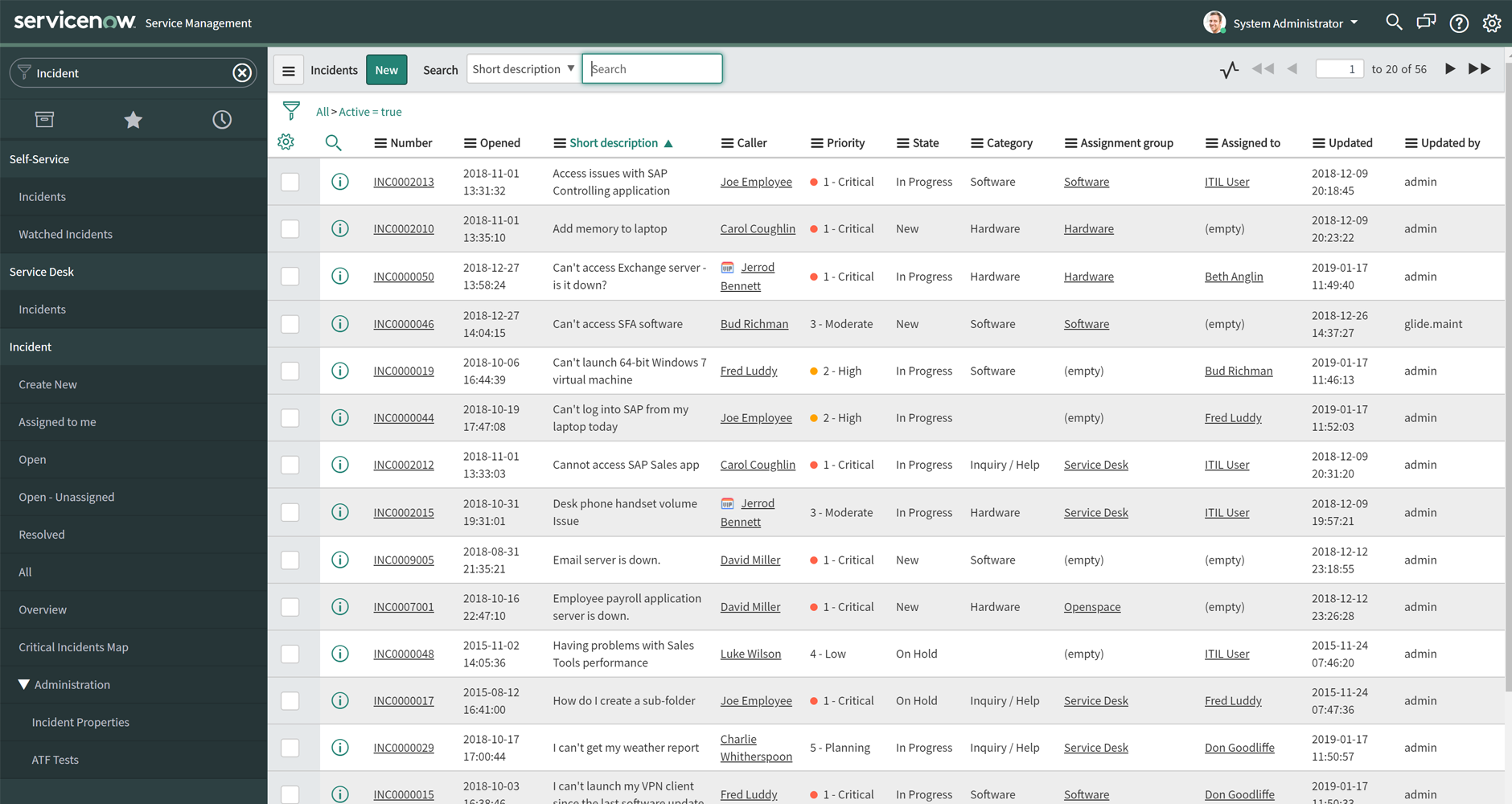
Call Center Updates for Customer Support, and Generative AI Chatbot Prompt Engineering Configuration, for Salesforce and ServiceNow integration
Design: Other
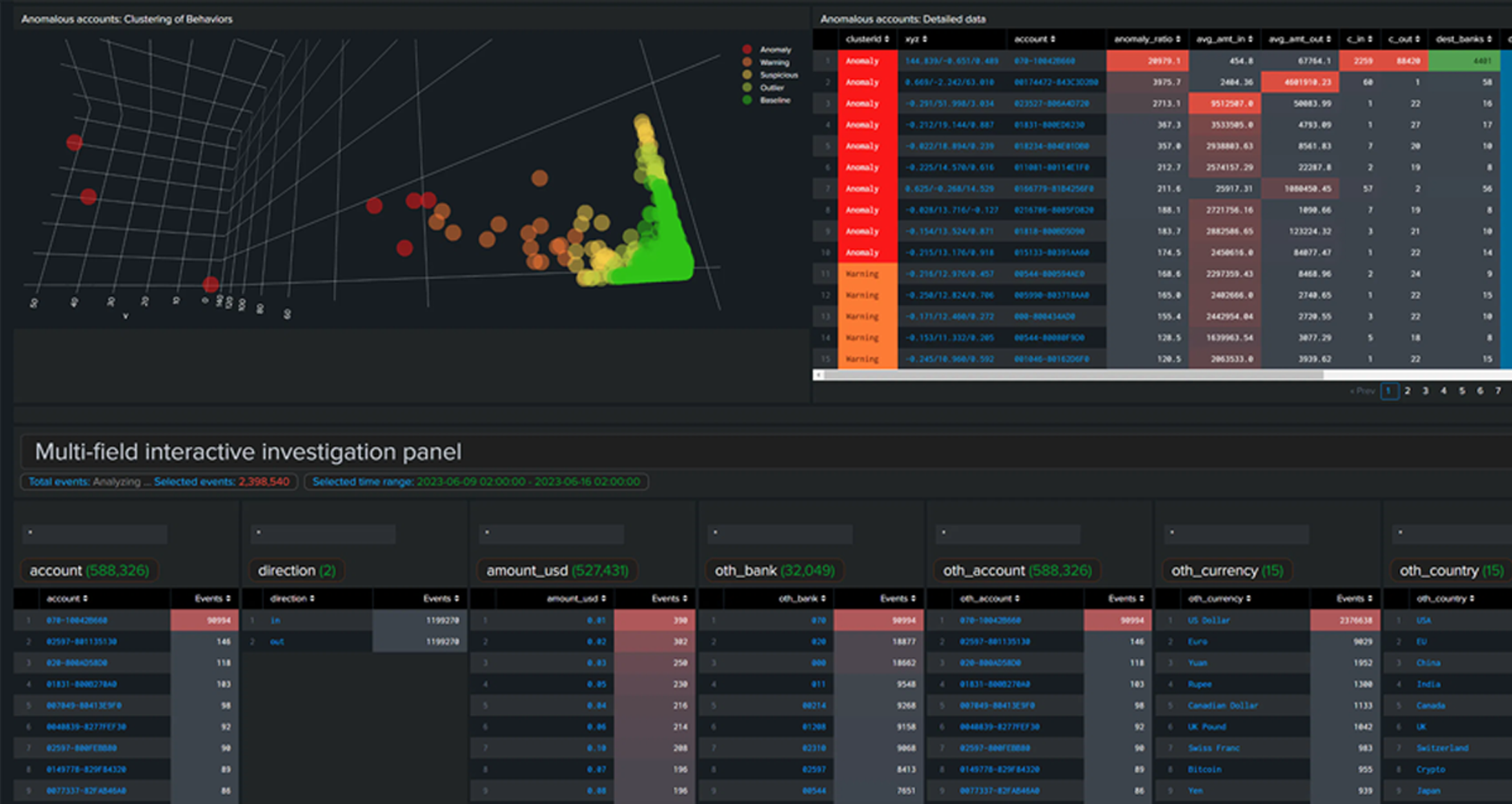
Splunk SecurityOps Worflow Updates
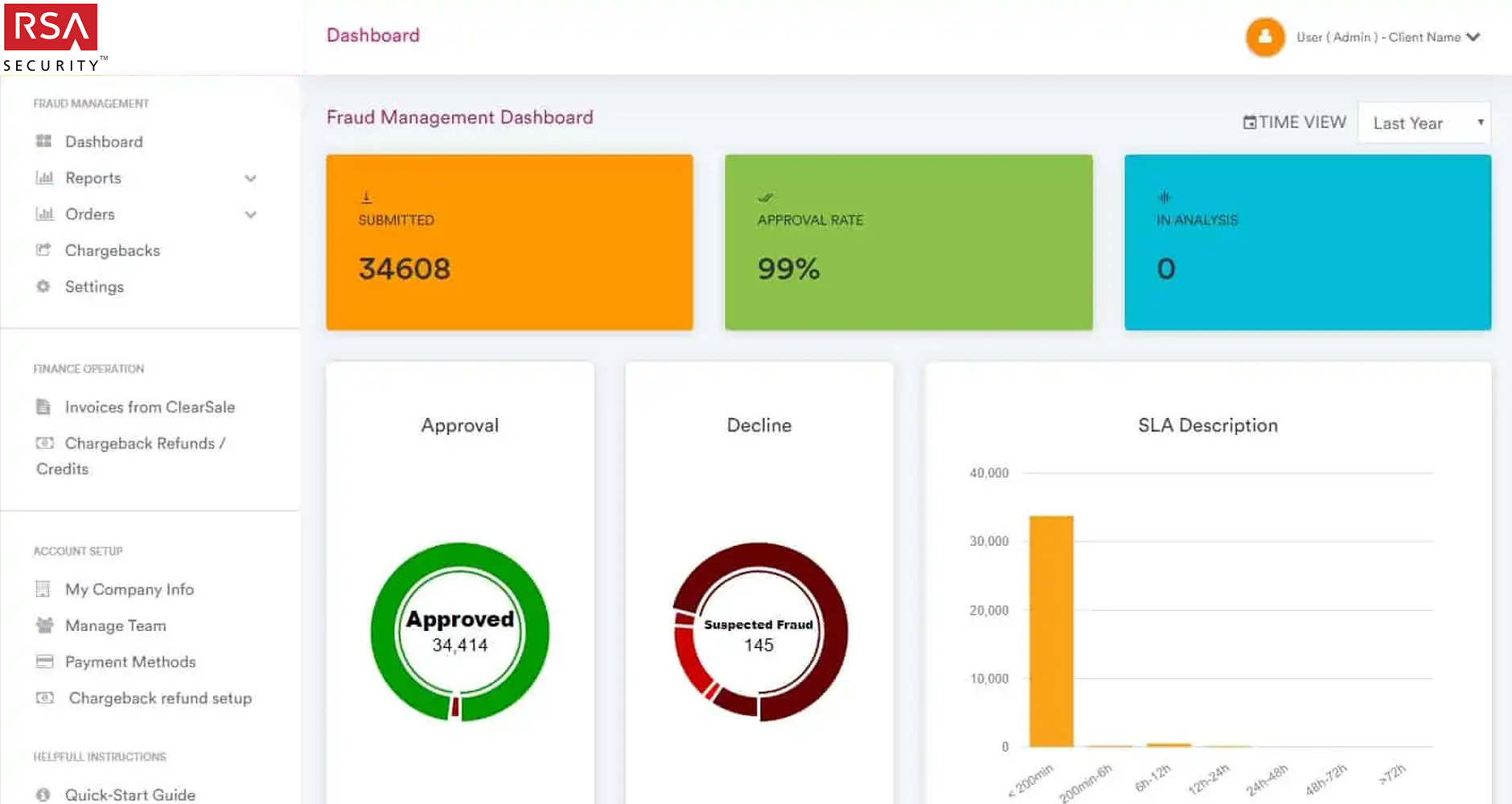
RSA Fraud Management Worflow Updates
Service Now Workflow Management Updates