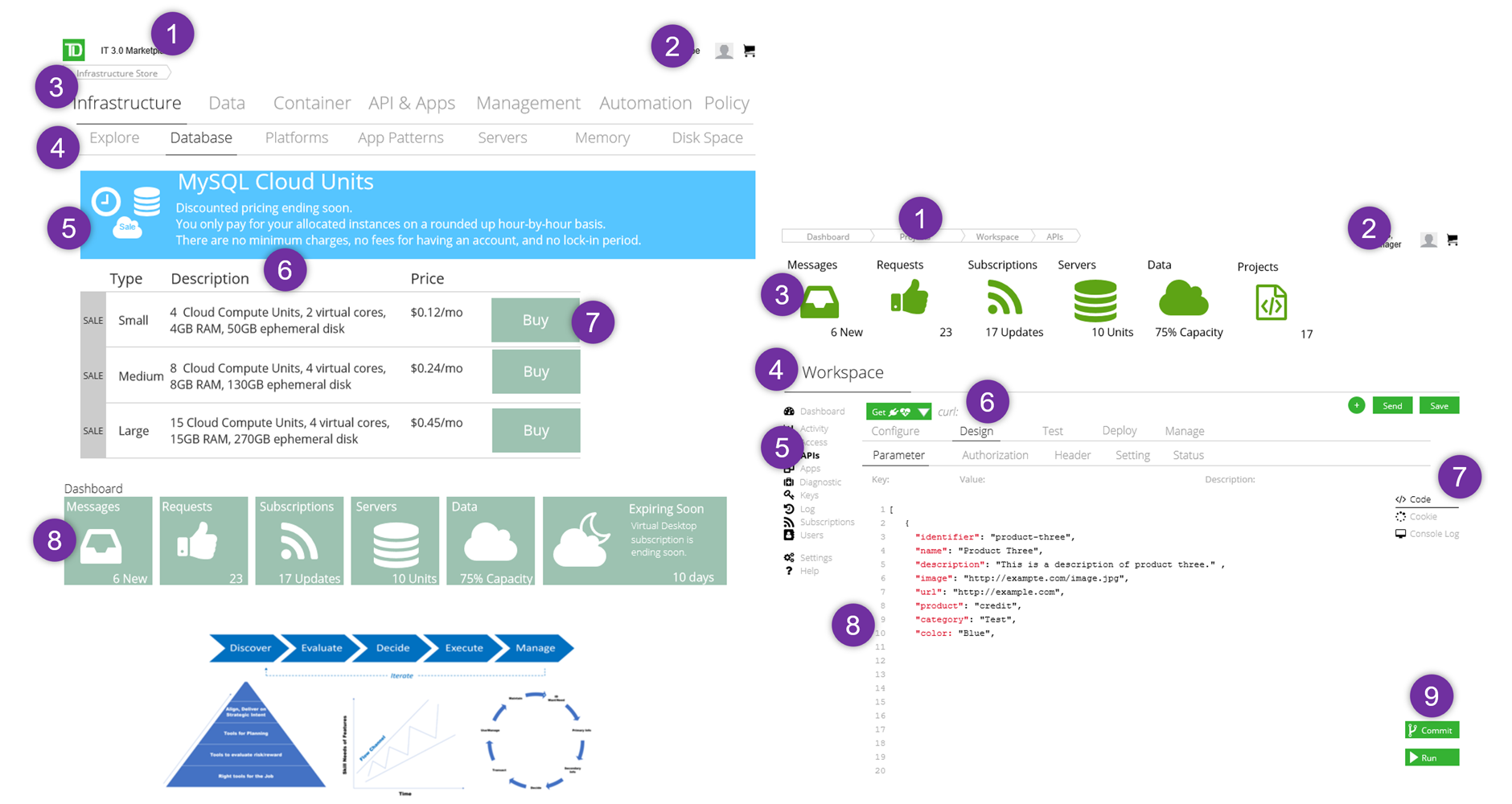
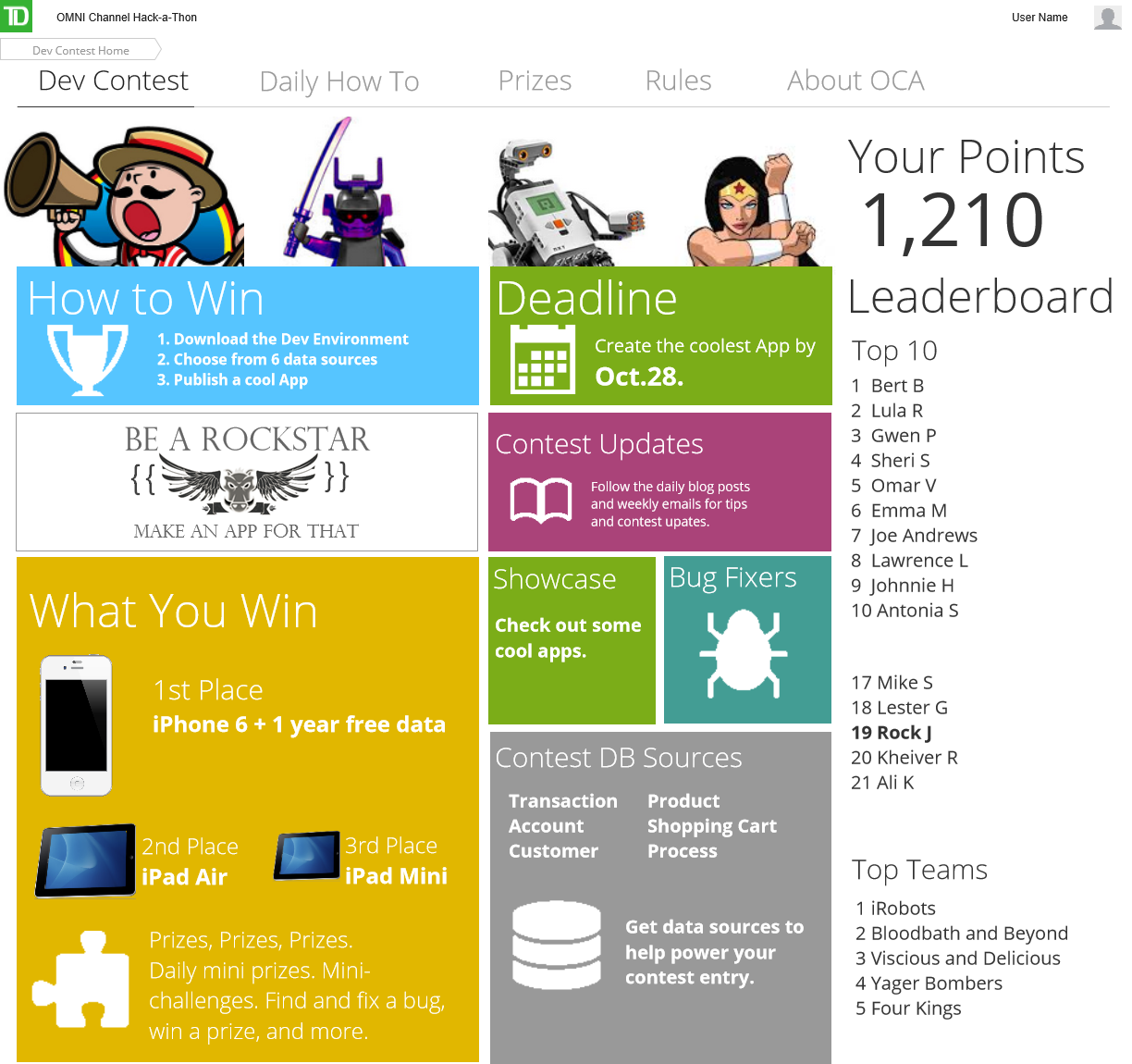
Design: Wireframe Prototypes, UX/UI User Psychology and Interaction Rules
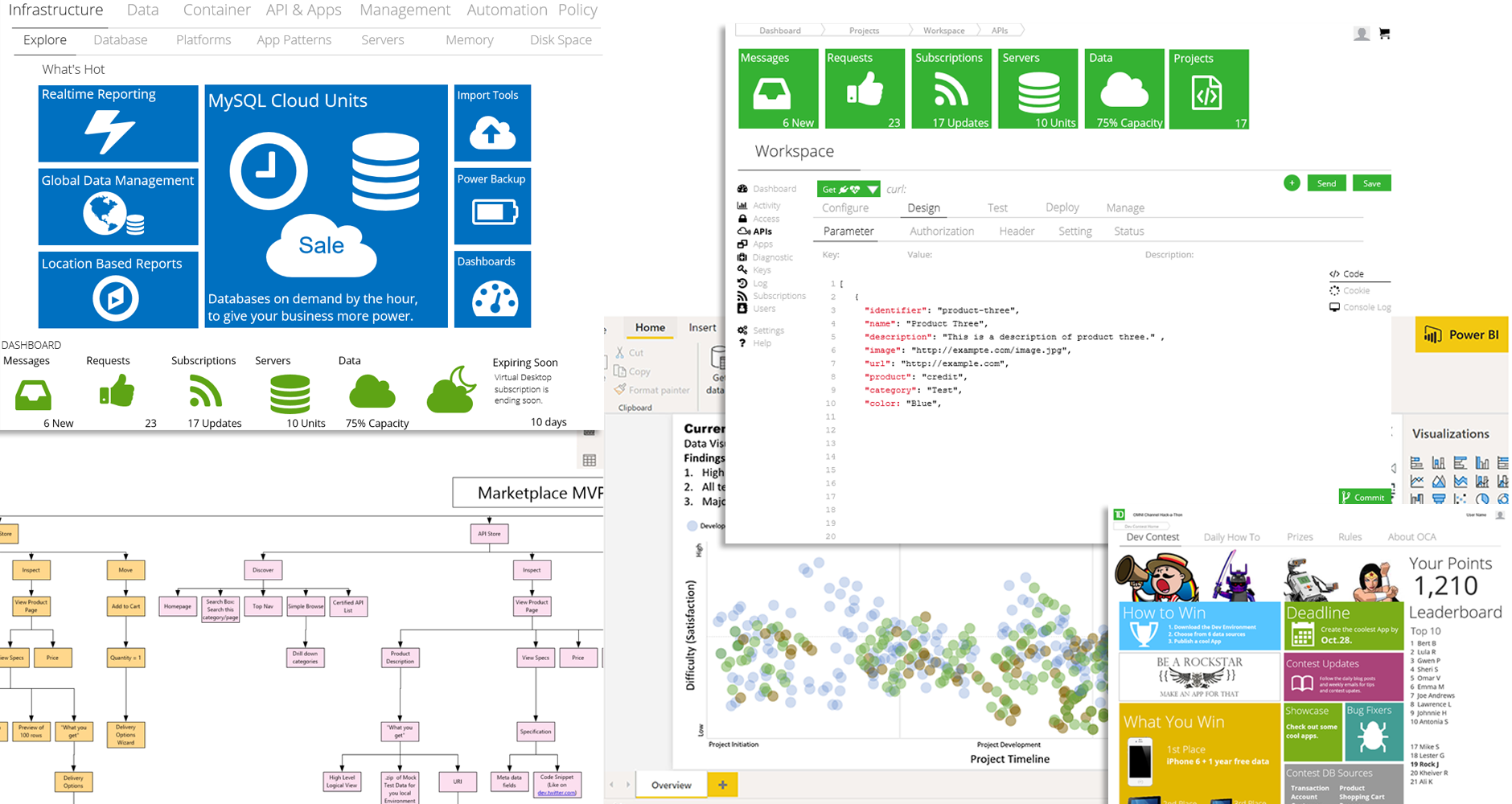
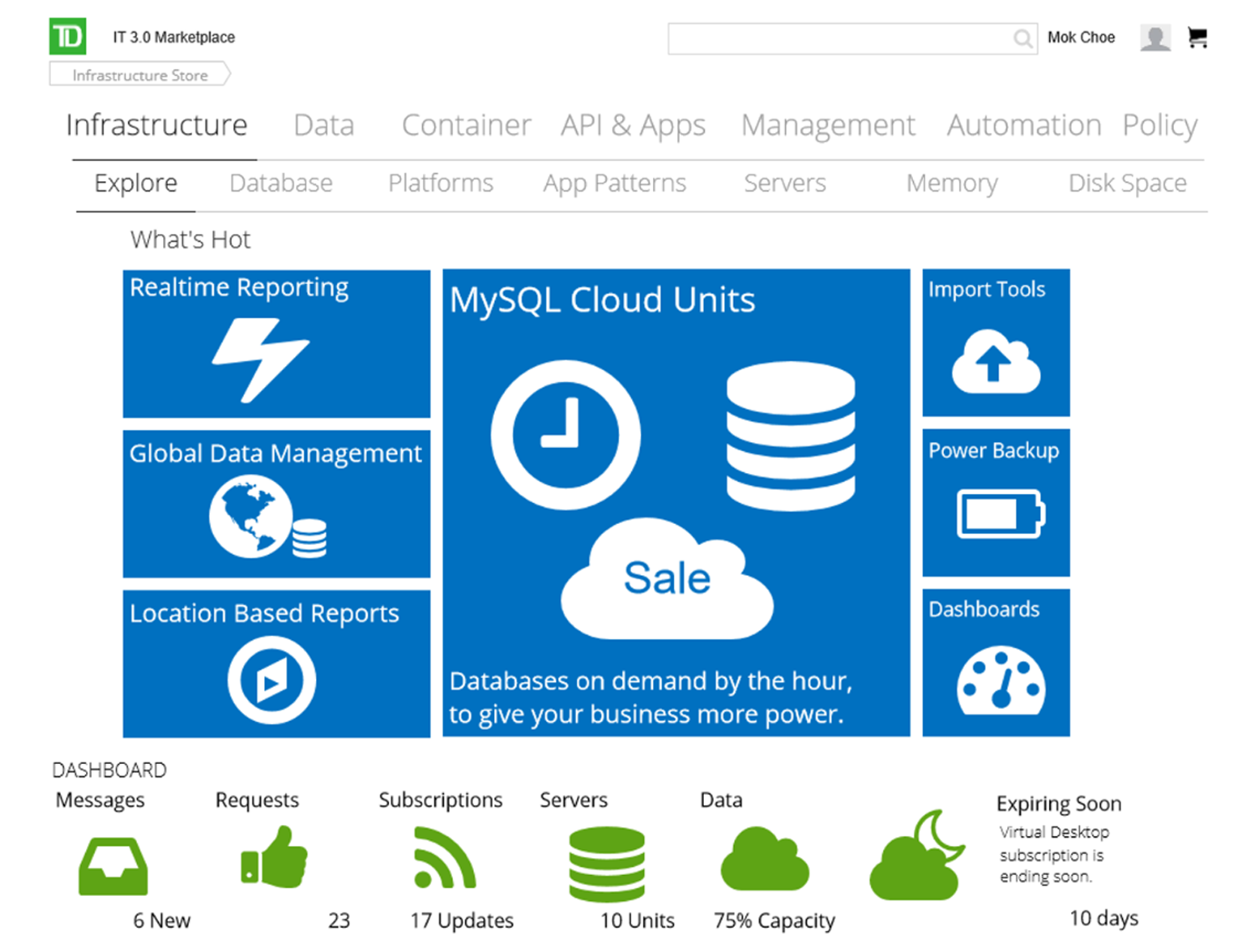
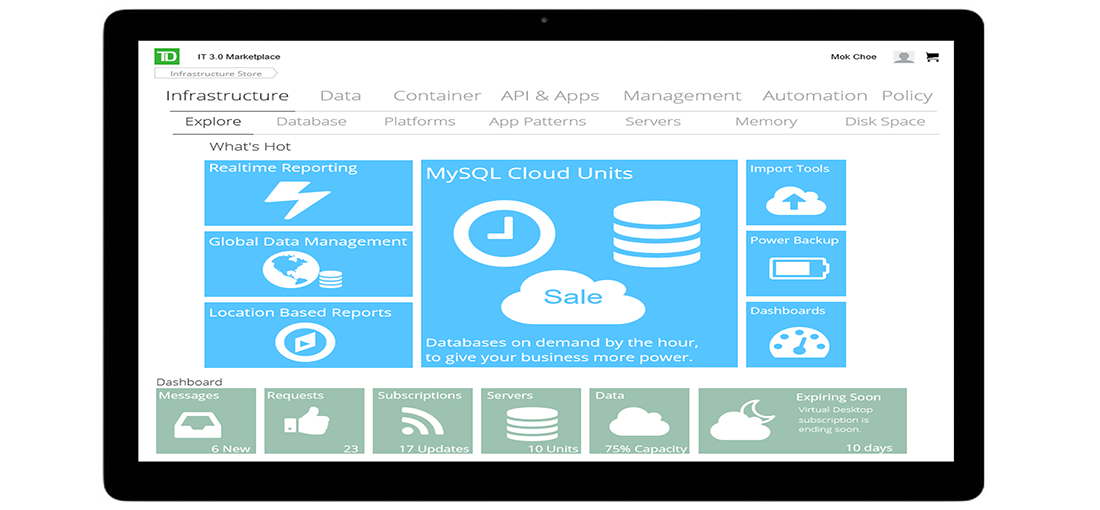
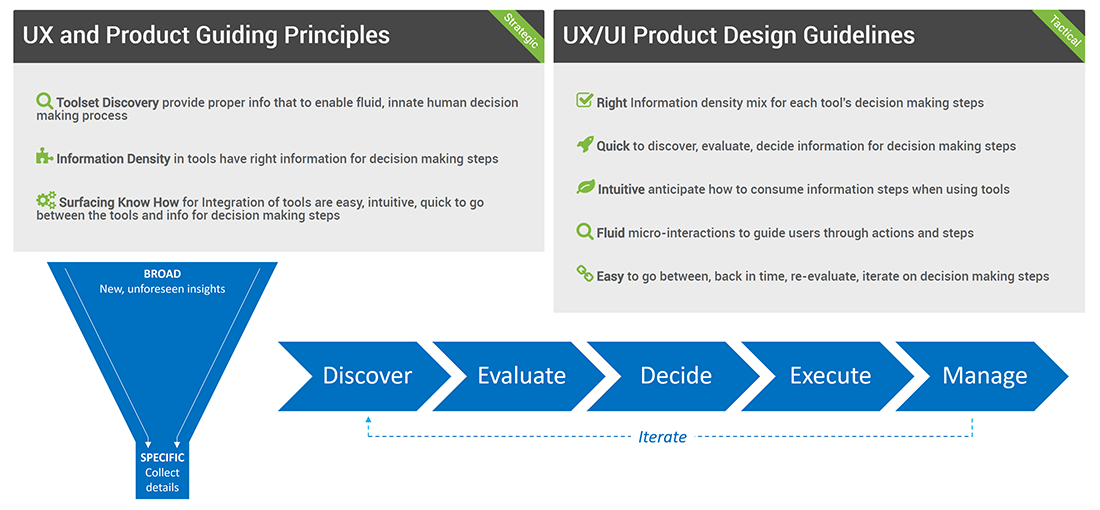
Wireframe prototypes integrate UX/UI user psychology and interaction rules to create intuitive and user-friendly designs that effectively cater to user expectations and behaviors, ultimately enhancing the overall user experience; while
- Enterprise users are different from marketing or social media posts, so they need to have their layout and information specifically catered to how users think and go through tasks, which are capture both visually as Annotated Wireframes and with Interaction Rules in tools like Confluence and Storybook.
- An understanding User Psychology such as Fitt's Law, Miller's Law, and Csíkszentmihályi Flow State, are essential for success to have the right level of cognitive load and information density, as different products and their features need to be organized in different ways, as different producst are thought about in different ways by customers.
- Rather than generic page layouts, wireframes are created to optimized
-
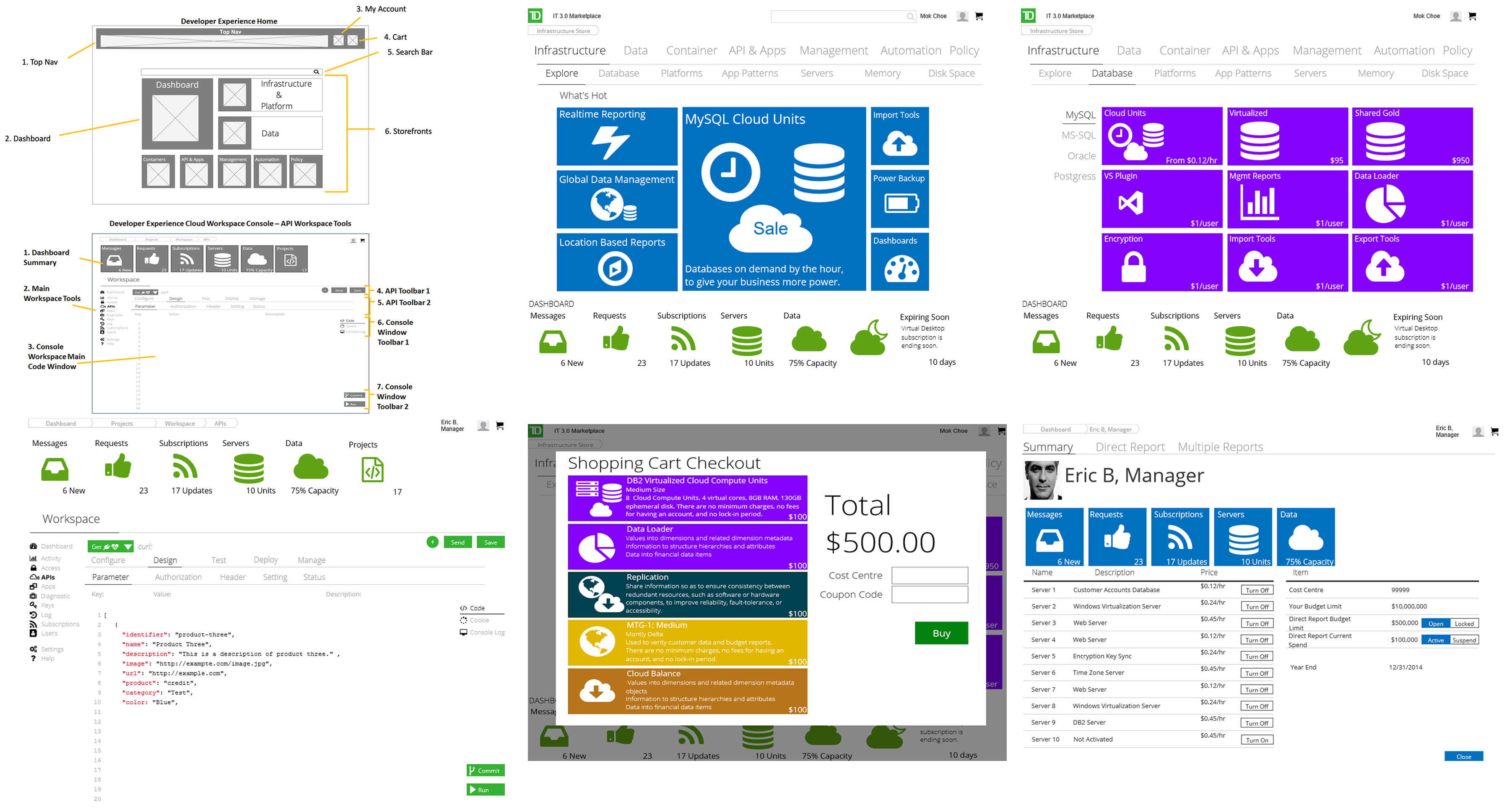
Sample Wireframe Prototypes, based on UX/UI User Psychology and Interaction Rules
Design: Sitemap, Screen Flows, Content Architecture for Enterprise Scaling
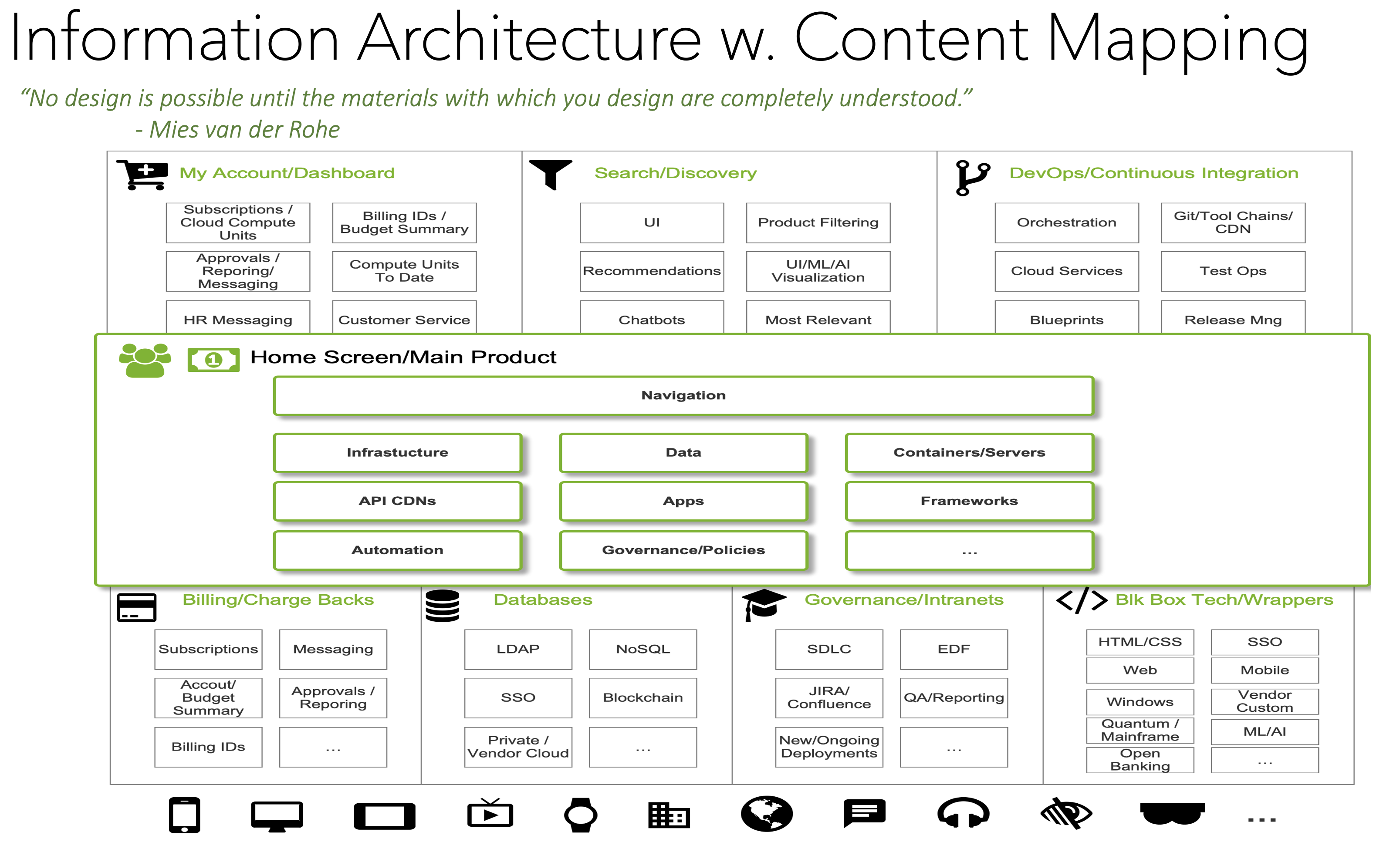
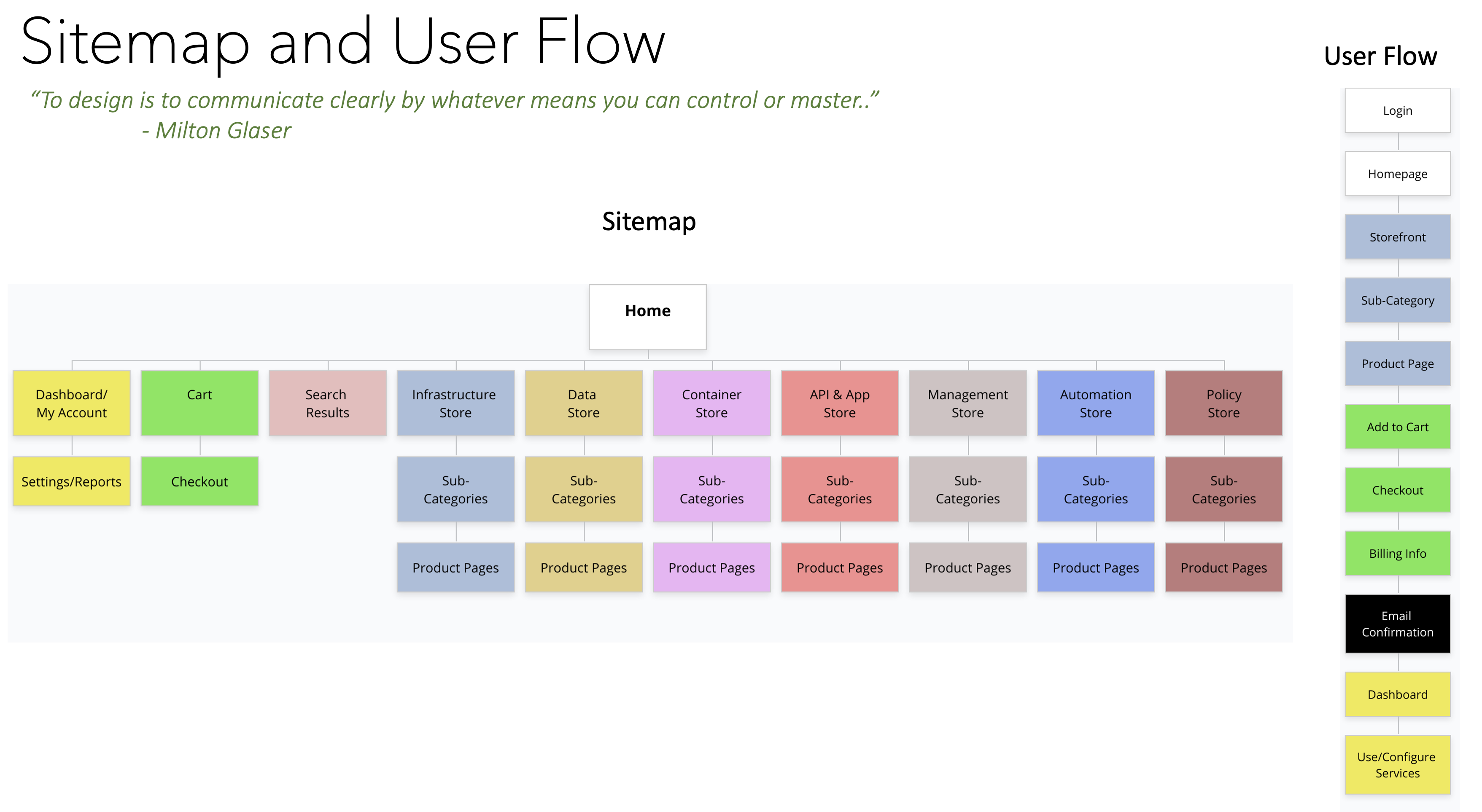
Especially in Enterprise systems, it's important to understand the complete picture; along with Wireframes, Sitemaps and Screen Flows need to be aligned with technical workflow constraints using Content Architecture mapping, to establish a strong and scalable structural foundation, ensuring logical navigation, coherent user journeys, and organized content presentation for an optimal user experience.
- To visualize and help understand how to build solutions, Sitemaps and optimized Screen Flows were created to cater to each unique customer needs through to a Call To Action (CTA), covering 10+ products and business units.
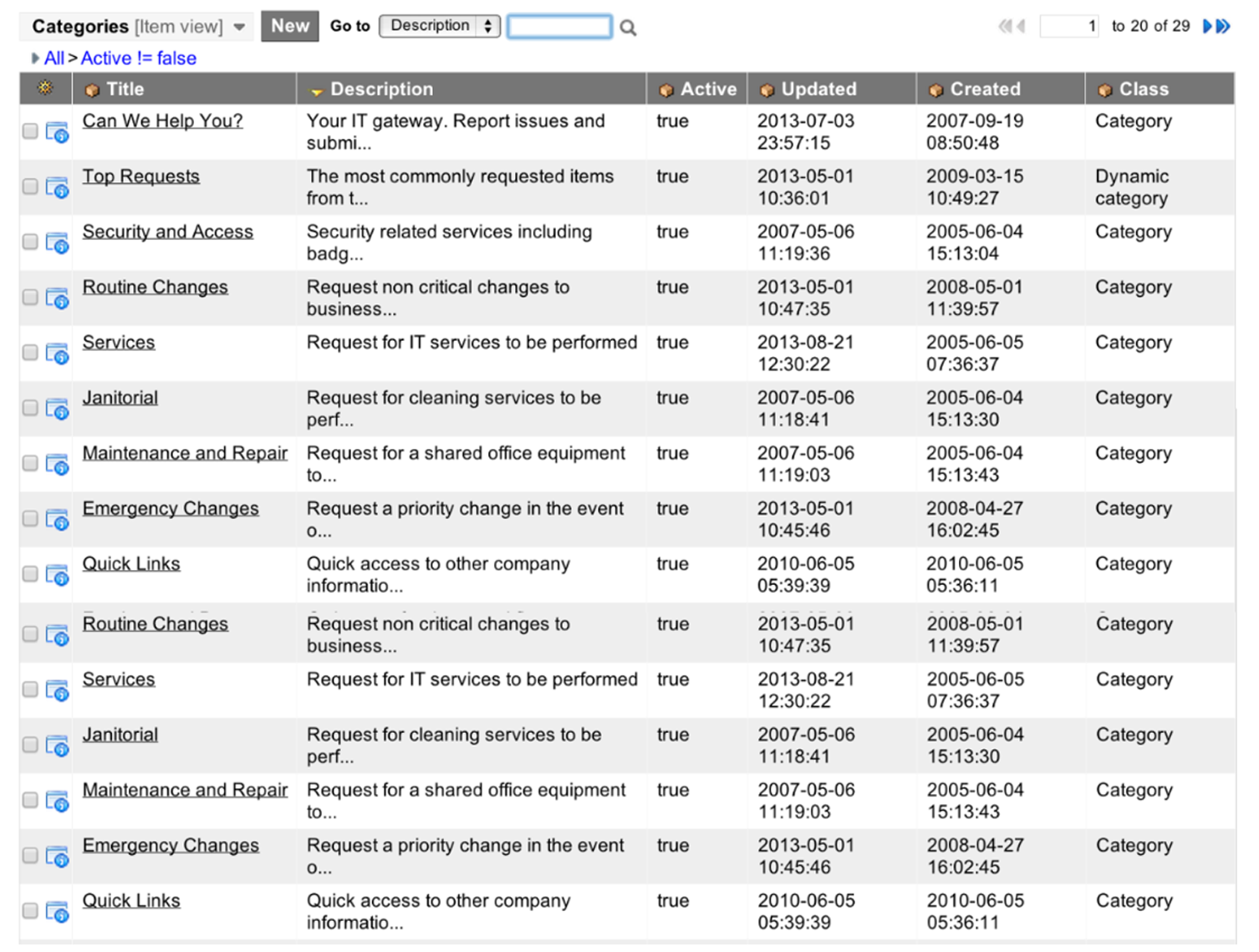
- Aligning with the scalable Design System, these were mapped with a Content Architecture for the new CMS Content Management System, to be able to gain scale benefits from Design Pattern reuse, and ease and quickness for future iterative updates.
-
-
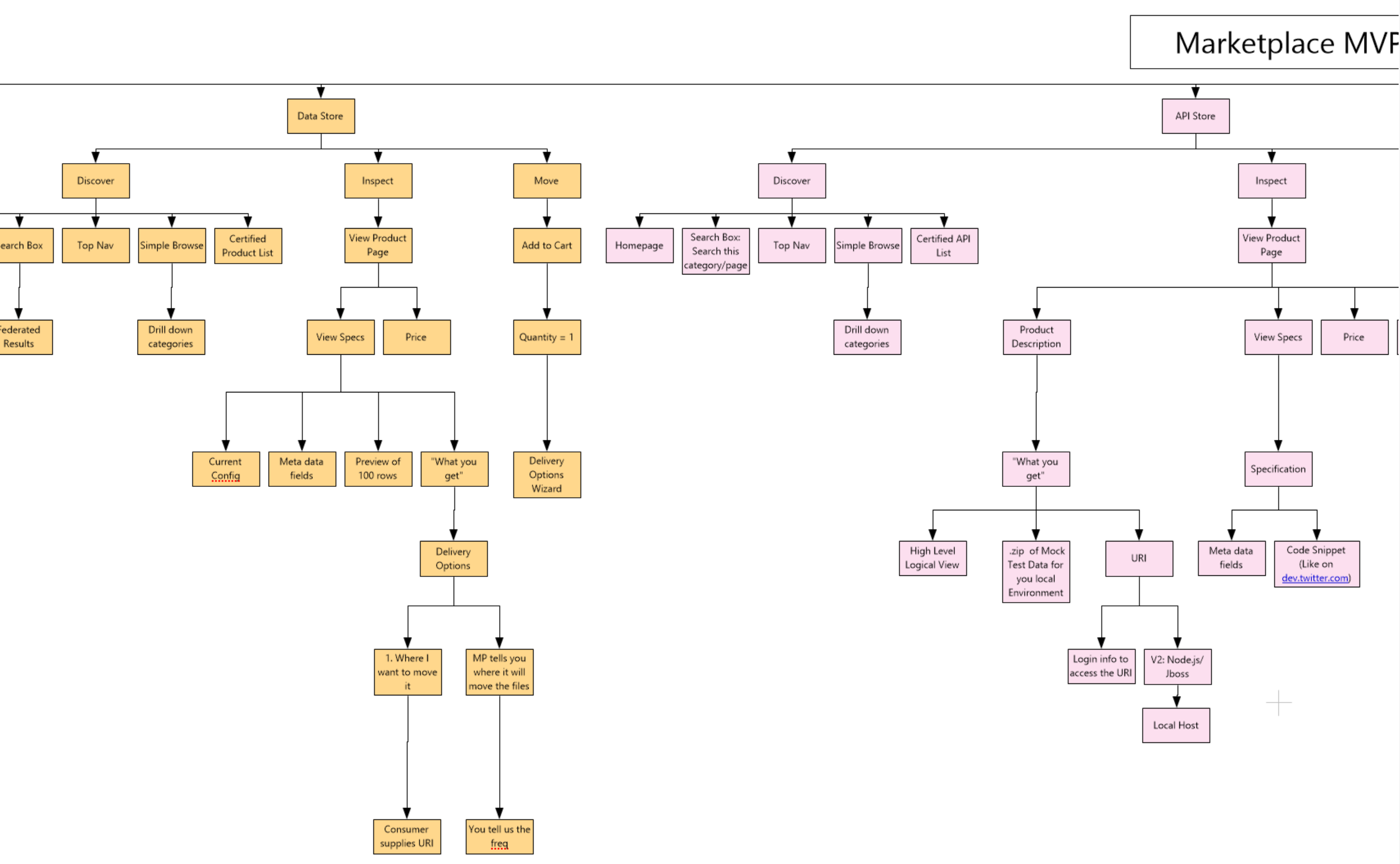
Screenflows
Design: Enterprise Design System
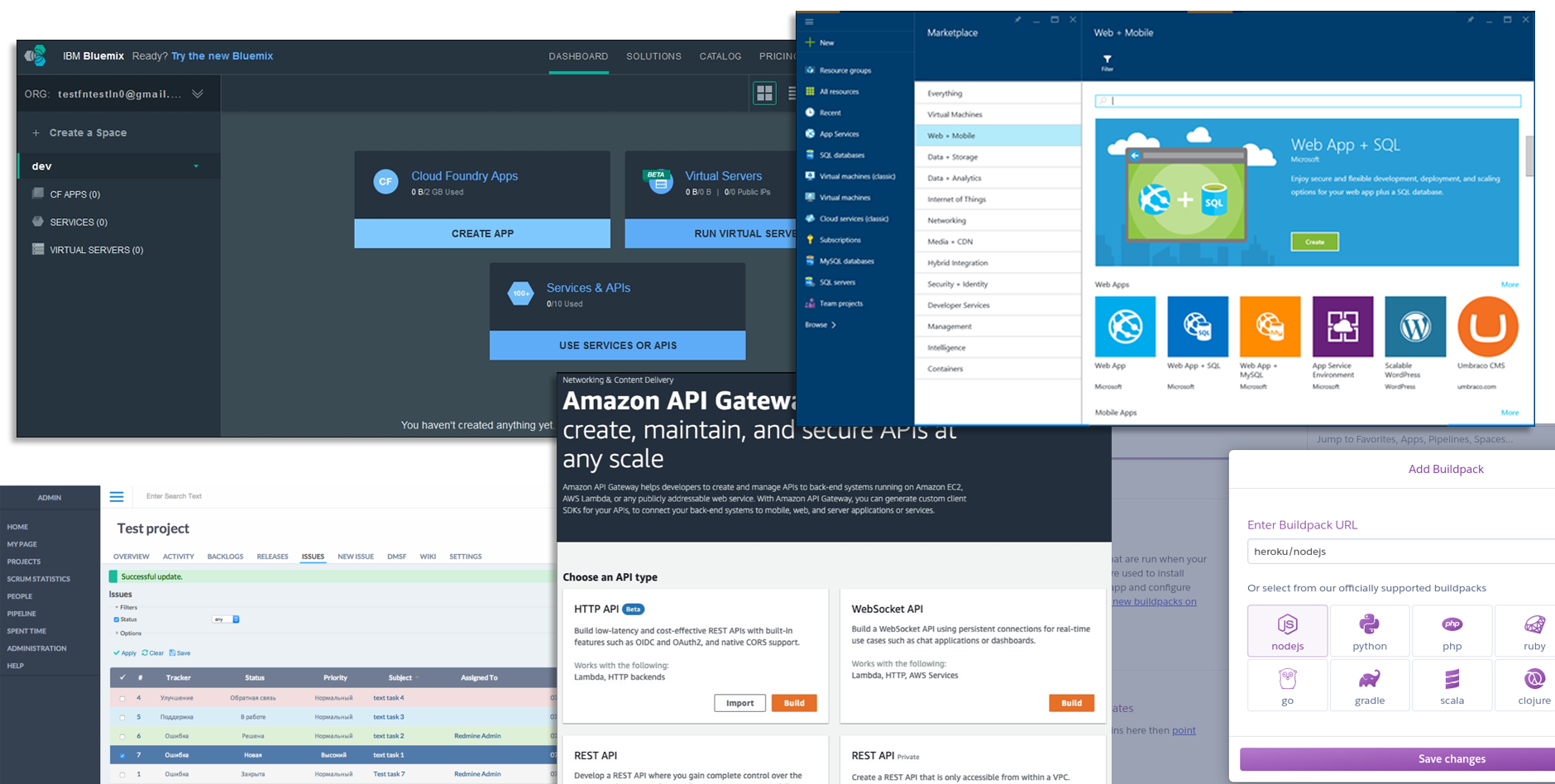
Enterprise design systems offer standardized design components, guidelines, and principles that promote consistency, efficiency, and scalability across products, streamlining development processes and enhancing brand coherence for a cohesive user experience.
- To be effective, it follows the micro to macro Atomic design principles, of (1) Element (2) Component (3) Module (4) Page/Screen
- The first Design System for Enterprise Architecture applications, it was scaled to be used by many departments such as Online Banking, Call Center, Credit Cards, Mortgages, Loans, more...
- As a measurable KPI benefit, the Design System was instrumental so Agile teams using the Dev Platform can design, build and deploy Enterprise Apps in 2 months vs. 9+ months.
-
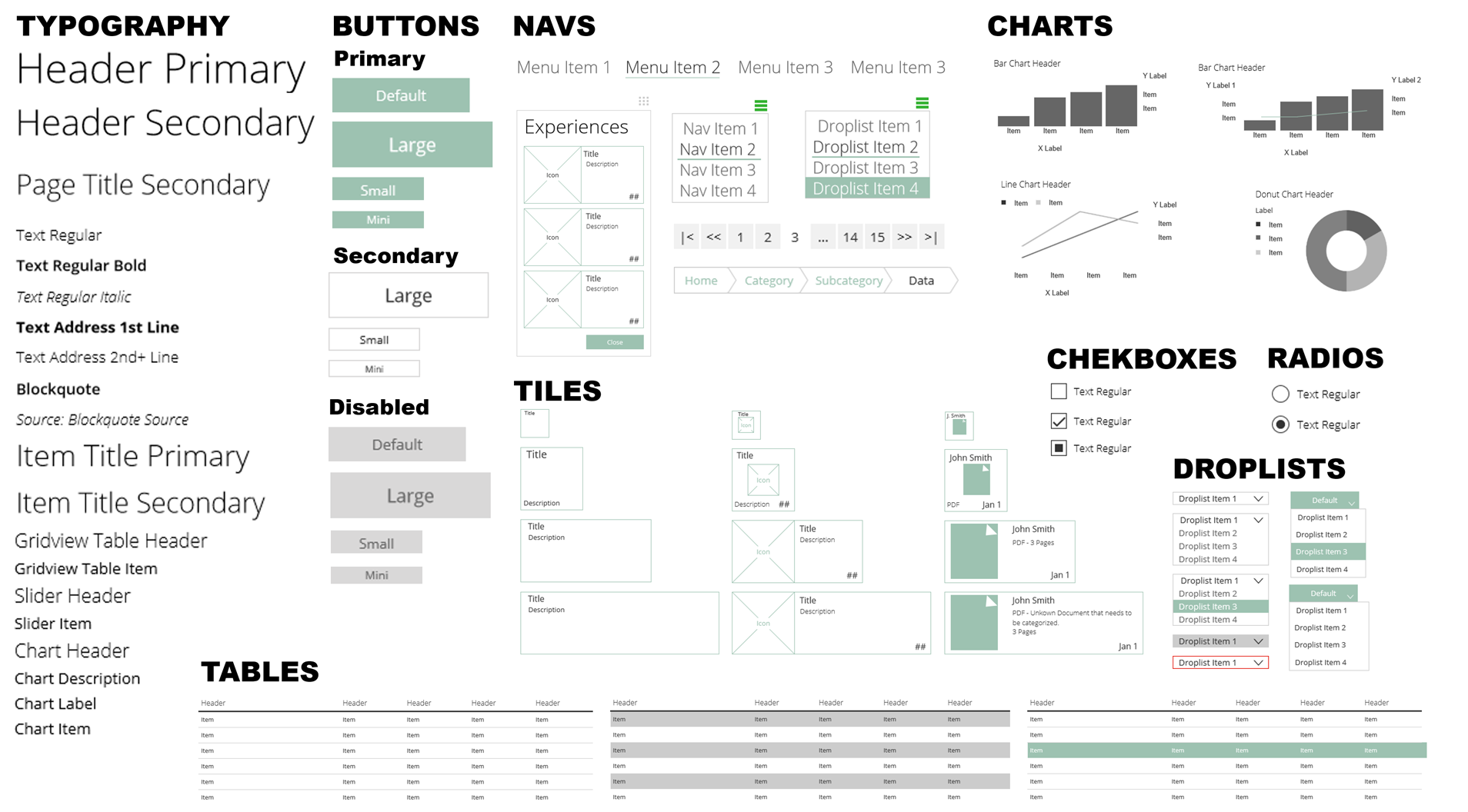
Responsive Design System with Navs, Buttons, Text, Form Controls, Modules, and more (Sample is before Accessibility Testing)